
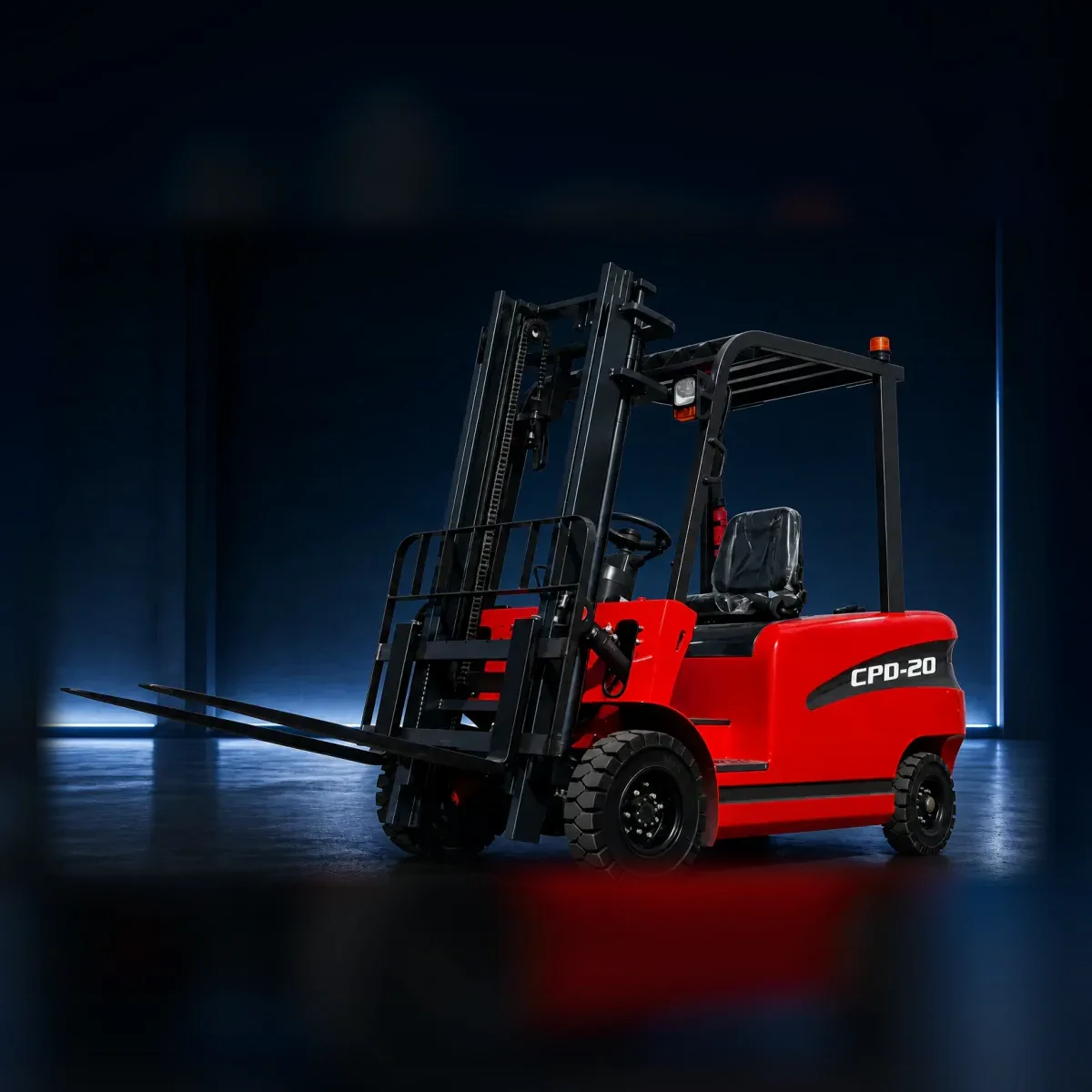
 CPD-20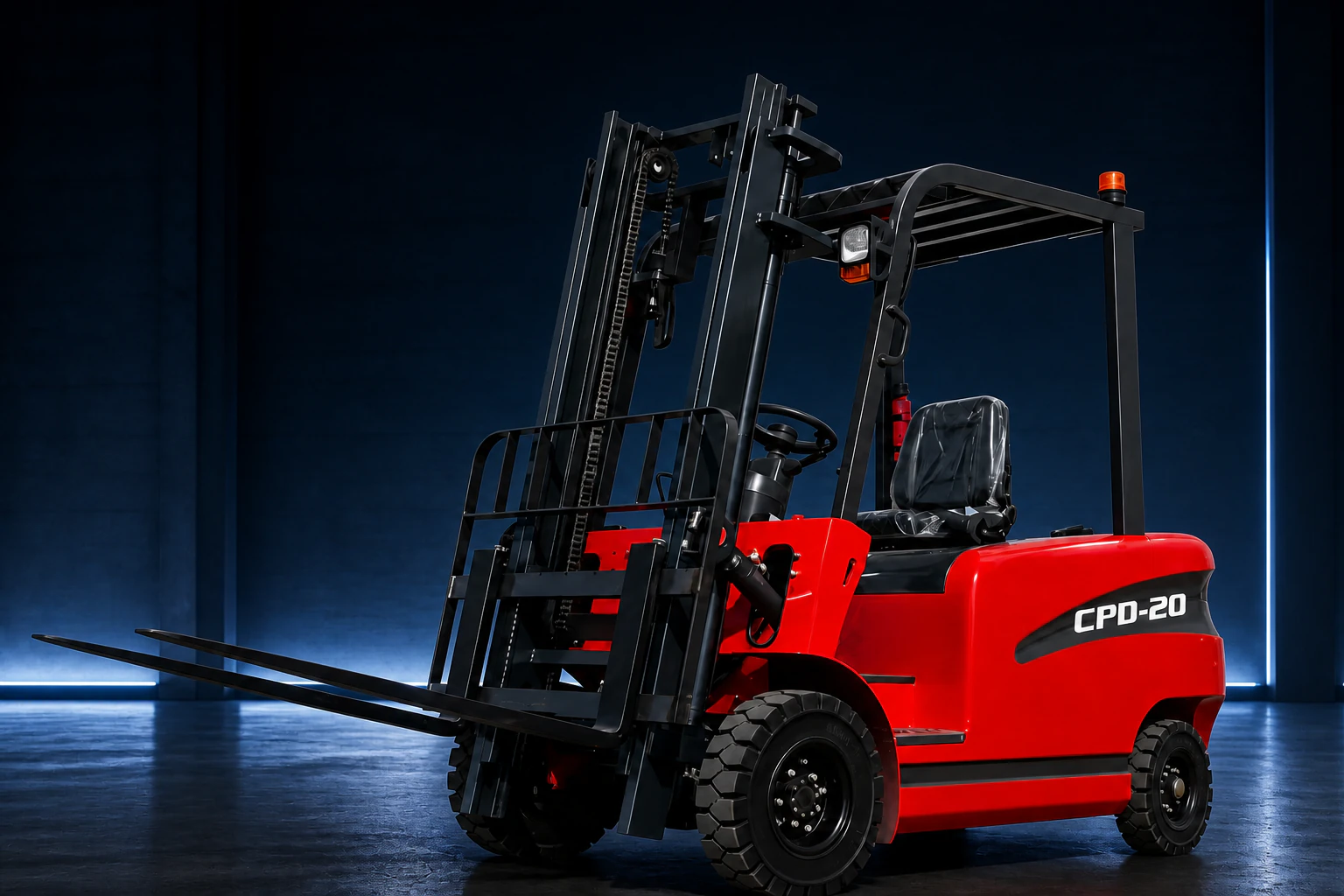
ELECTRIC FORKLIFT SOURCING & SPECIFICATION REVIEW
Electric Forklift Selection for Warehouses
Compare counterbalance forklift configurations using the operating data that changes capacity, energy demand, aisle fit and attachment compatibility.
Duty before modelMatch the truck to the real load centre, lift height and daily operating cycle.
Configuration claritySeparate standard equipment from battery, mast, tyre and attachment options.
Comparable quotationsUse one RFQ data set so alternative suppliers answer the same technical questions.
Evidence-controlledConfirm the capacity plate, residual-capacity chart and model documents before order approval.
FEATURED STARTING POINTS
Start with forklift configurations that have clearer model evidence
Open a product page to compare available specifications, options and the questions needed for a useful quote.
4 AVAILABLE PRODUCT OPTIONS
Compare the current counterbalance forklift range
Compare the configurations that best match your load, layout, environment and order requirements.
Product galleryElectric Forklifts
CPD20 2 Ton Electric Forklift for Off-Road Use
CPD20 2 Ton Electric Forklift for Off-Road Use for warehouse and e-commerce, with the final dimensions, rated performance, options and documents matched to the approved order requirements.
 Product gallery
Electric Forklifts
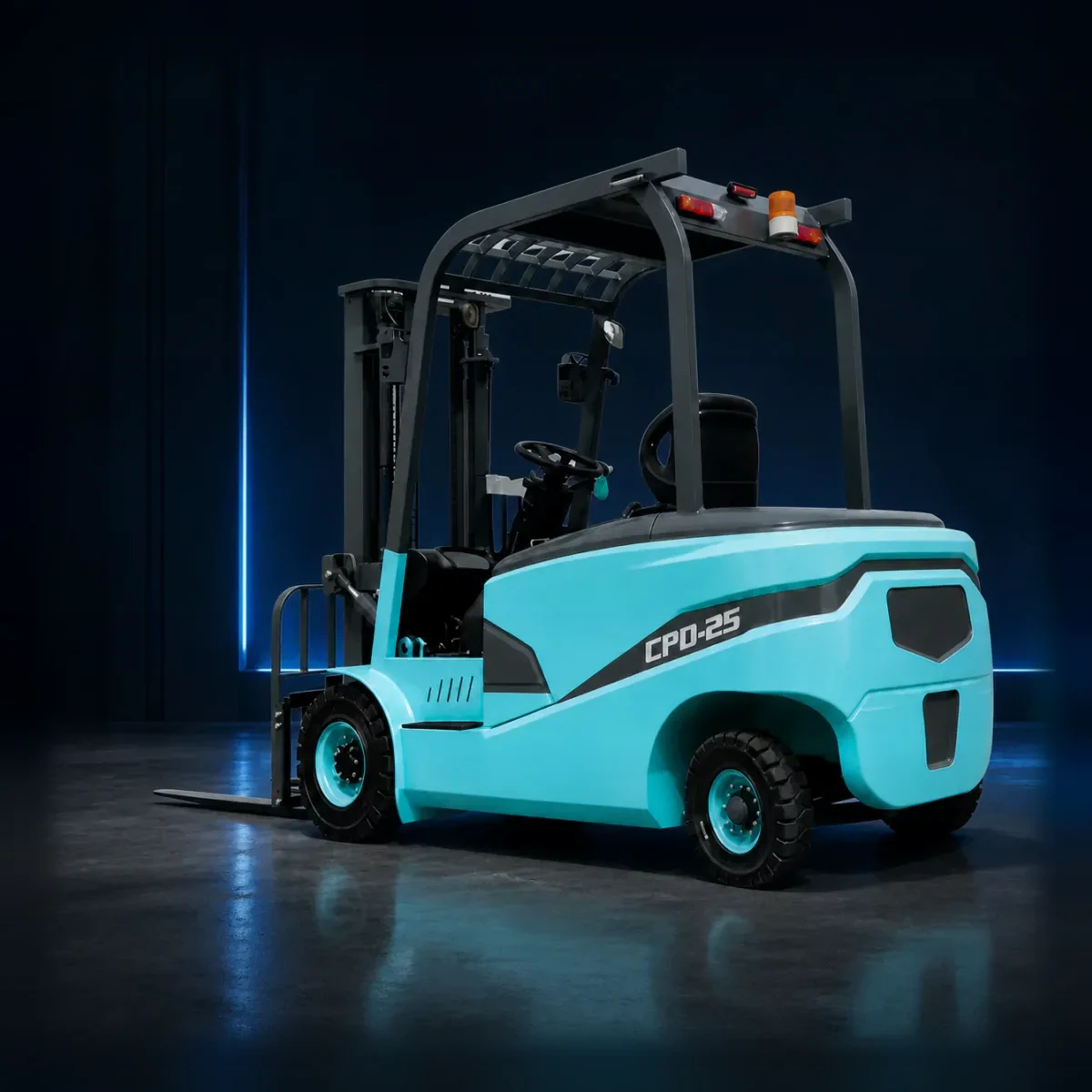
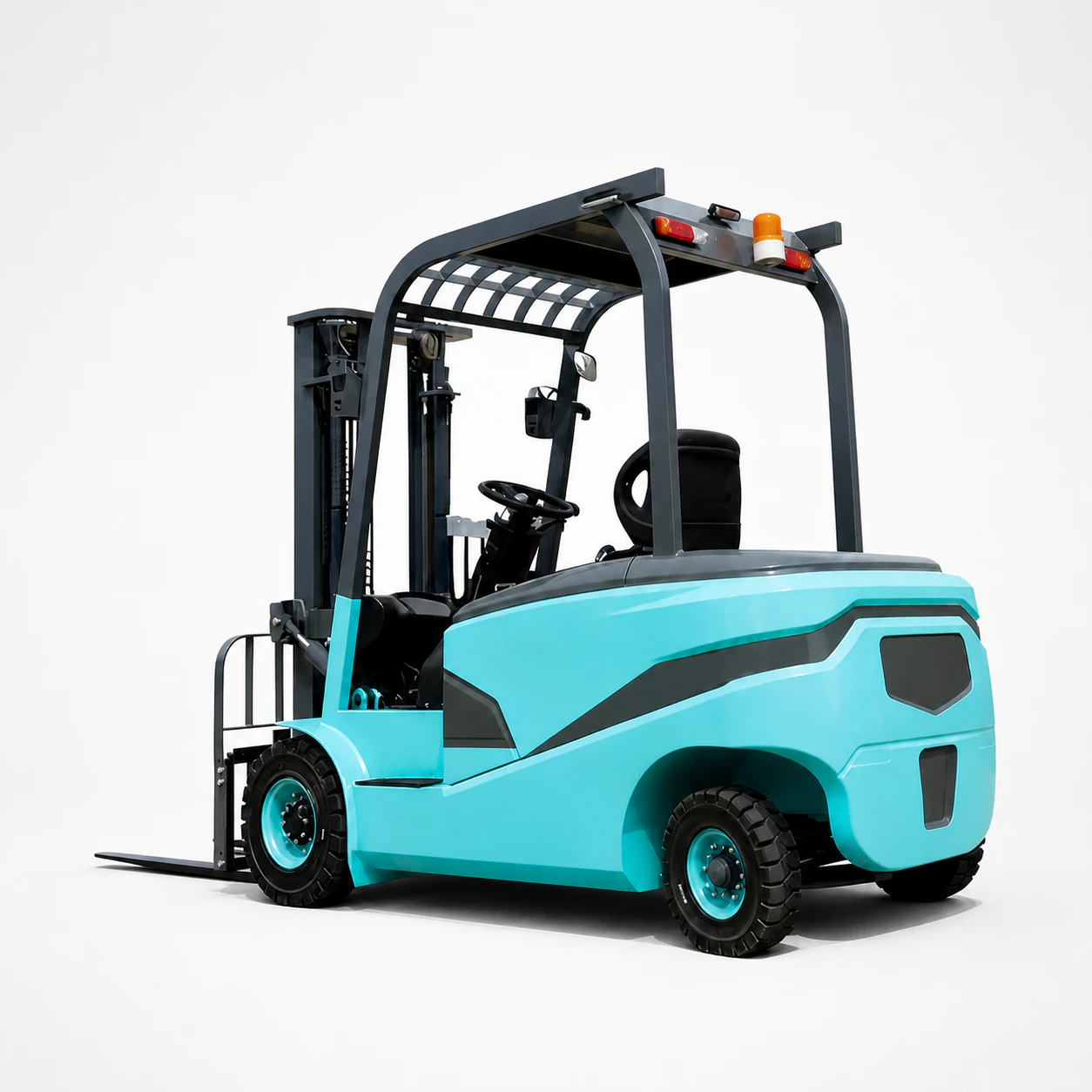
CPD25 2.5 Ton Electric Forklift
CPD25 2.5 Ton Electric Forklift for distribution centers, with the final dimensions, rated performance, options and documents matched to the approved order requirements.
 Product gallery
Electric Forklifts
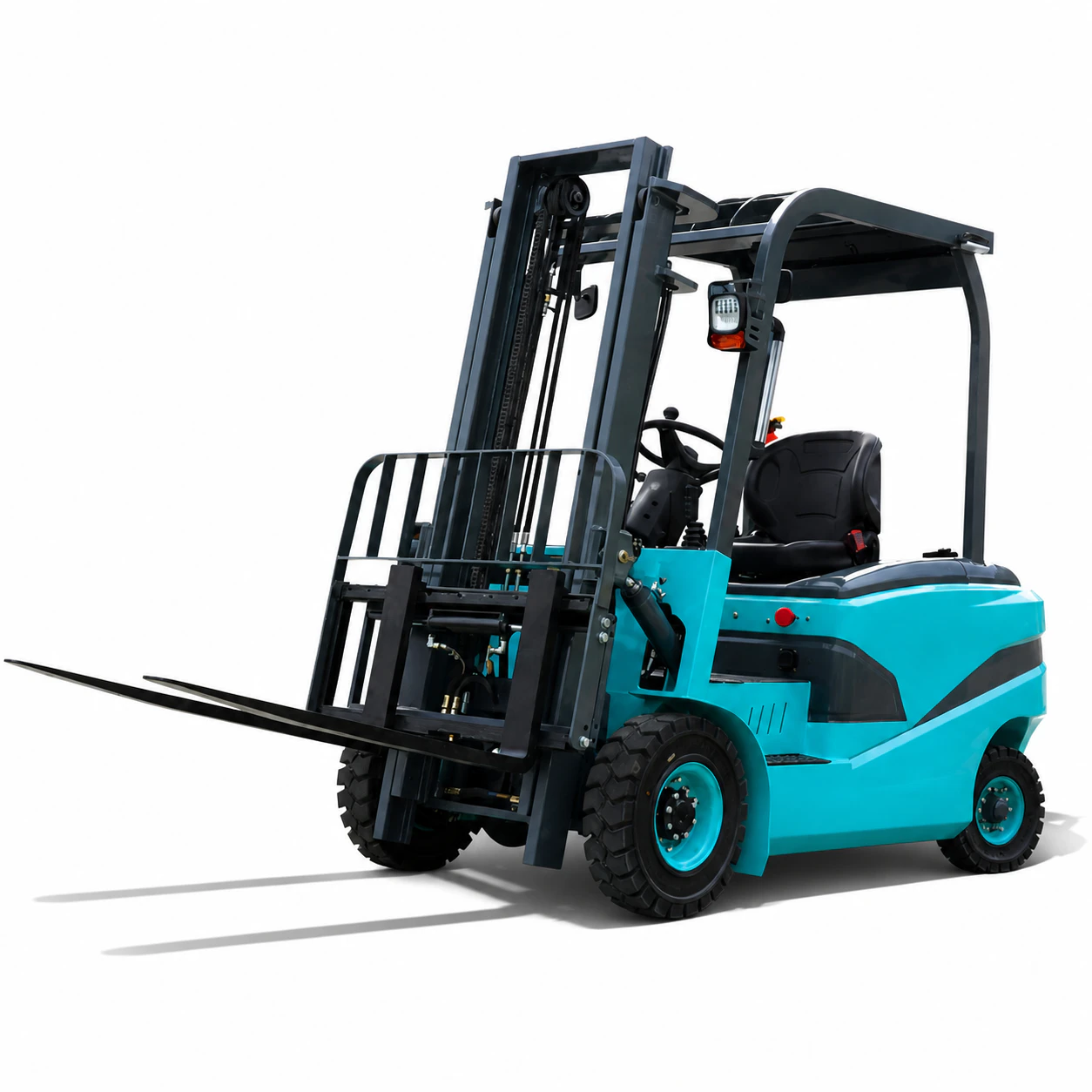
2 Ton Lithium Warehouse Forklift
2 Ton Lithium Warehouse Forklift reference for energy-saving logistics duties. Confirm load center, mast, battery, tires and attachments against the operating cycle
 Product gallery
Electric Forklifts
2.5 Ton Compact Indoor Electric Forklift
2.5 Ton Compact Indoor Electric Forklift reference for compact indoor duties. Confirm load center, mast, battery, tires and attachments against the operating cycle
COMPARE OPTIONS
Electric forklift selection matrix
Use this matrix to decide what must be fixed in the quotation. It does not claim that every listed product supports every option.
| Selection route | Best starting point | Critical checks |
|---|---|---|
| Compact indoor | Tight warehouse aisles and controlled floors | Aisle, turning radius, overhead, tyres |
| Standard counterbalance | General pallet transfer and rack service | Load centre, mast, battery, attachments |
| Higher capacity | Heavier production or distribution loads | Capacity plate, residual chart, floor loading |
| Mixed-surface configuration | Indoor/outdoor transitions or uneven surfaces | Tyres, clearance, slope, weather limits |
Quotation status: Confirm for the selected model or project
QUOTE STARTING POINT
Four inputs that change the forklift recommendation
A rated capacity in a headline specification is only a starting point. Send these operating facts before comparing price.
What is the maximum normal load, its dimensions and centre of gravity?
An extended load centre or uneven load can reduce usable capacity.
What fork height is required, and what is the lowest doorway or overhead obstruction?
Mast stages, free lift and lowered height affect both access and residual capacity.
What clear aisle, turning space, slope and floor condition are available?
Chassis size, tyre choice and manoeuvring envelope must fit the site.
How many hours and shifts run per day, and when can the truck charge?
Duty cycle and local power supply shape the battery and charger package.
WHAT WAREVANTA ADDS TO THE BUYING PROCESS
A sourcing process built around usable capacity, not catalogue tonnage
WareVanta supports international buyers who need to compare electric forklift offers across different suppliers and option lists. We organise the load, lift, aisle, energy and attachment requirements before requesting model-level evidence. This reduces the chance that two quotations appear similar while relying on different mast stages, battery packages, tyre types or residual capacities.
Requirement review
Turn operational notes into a structured electric-forklift RFQ.
Model matching
Screen candidate products against the required duty instead of comparing titles alone.
Specification normalisation
Place capacity, mast, battery, charger, tyres and attachments in one comparison format.
Evidence checklist
Identify which datasheets, capacity charts, nameplates and document copies remain open.
Inspection planning
Define order-specific checks for identity, functions, accessories, packing and loading.
Export coordination
Align destination, packing, shipping inputs and document requests with the approved order.
RANGE STRUCTURE
Counterbalance forklift routes for different loads and surfaces
These are buyer decision paths, not claims that every option is available on every configuration.
Compact indoor counterbalance
For controlled floors and space-constrained warehouse handling; verify aisle fit, turning radius and non-marking tyre needs.
Standard warehouse counterbalance
A general pallet-handling starting point where load centre, mast height and shift demand remain the key decisions.
Higher-capacity electric trucks
For heavier pallet or production loads; request the exact capacity plate and capacity-at-height data.
Rough-surface electric configurations
For mixed surfaces or selected outdoor work; confirm tyres, clearance, gradeability, weather exposure and stability limits.
BUYING CRITERIA
Why the operating data matters more than a single capacity number
Each selection variable can change safety margin, productivity, price and which supplier offer is genuinely comparable.
Residual capacity
Confirm capacity at the requested height, load centre, mast and attachment combination.
Mast geometry
Check maximum fork height, free lift, collapsed height and overhead clearance together.
Battery duty
Match chemistry, voltage, capacity and charging windows to the real operating cycle.
Charger compatibility
Verify local input voltage, phase, frequency, plug and installation responsibility.
Tyre and surface fit
Choose tyres from floor condition, marking restrictions, debris, slopes and outdoor exposure.
Attachment effects
Account for side shifters, fork positioners and other attachments in capacity calculations.
Operator envelope
Review aisle width, turning space, visibility, ergonomics and local operating practice.
Service evidence
Request manuals, parts information and warranty procedure for the exact supplied configuration.
CAPACITY AT HEIGHT
The nameplate rating is not the complete lifting answer
A forklift may be advertised by nominal tonnage, but the usable capacity can change when the load centre extends, the mast rises, an attachment moves the load forward or the load is not uniform. Before quotation approval, request the exact capacity plate and residual-capacity chart for the proposed mast, fork and attachment combination. This is more useful than comparing catalogue tonnage alone.
Decision boundary
Final dimensions, load data, options, applicable documents and delivery terms are controlled by the approved quotation and project files.
APPLICATION PATHS
Where electric counterbalance trucks are usually evaluated
Application labels are starting points. Site conditions and project documents still govern the final selection.
Warehouse replenishment
Match pallet geometry, rack height, aisle and shift pattern before choosing a truck.
Production logistics
Review load stability, floor condition, attachments and interaction with production traffic.
Loading and staging
Confirm ramps, dock plates, container access, overhead clearance and duty intensity.
Controlled indoor environments
Assess tyre marking, ventilation, cleanliness, charging area and site operating rules.
PROJECT COORDINATION
How duty data becomes an approved forklift configuration
Define the duty
Record load, load centre, height, aisle, floor, shift and power supply.
Match candidate configurations
Shortlist chassis, mast, battery, tyre and attachment packages.
Normalise supplier replies
Place every offer in the same specification and commercial comparison.
Close evidence gaps
Request model sheets, capacity charts, nameplates, manuals and applicable documents.
Approve inspection points
Define identity, function, accessory, packing and loading checks for the order.
Coordinate export handover
Confirm destination data, packing list, shipping inputs and spare-parts scope.

EVIDENCE & RESOURCES
Documents that tie the quotation to the exact forklift
We do not present category imagery as proof of stock, factory ownership, certification or a completed customer project.
- Load and load centre: What is the maximum normal load, its dimensions and centre of gravity?
- Lift and overhead: What fork height is required, and what is the lowest doorway or overhead obstruction?
- Aisle and floor: What clear aisle, turning space, slope and floor condition are available?
- Shift and charging: How many hours and shifts run per day, and when can the truck charge?
Request a model- or project-specific specification that identifies the exact configuration, governing dimensions and performance fields. A category page is not a substitute for that record.
- Approved specification or project drawing
- Applicable inspection checklist
- Packing list and loading plan
- Manuals and parts information where applicable
- Destination-specific compliance documents only after scope confirmation
- Maximum normal load
- Load centre or pallet size
- Required fork height
- Lowest overhead clearance
- Clear aisle and turning space
- Floor, ramps and outdoor exposure
- Hours and shifts per day
- Local charger power supply
- Tyres, forks and attachments
BUYER RESOURCES
View all resources →Forklift selection tools for a better technical RFQ
Electric Forklift Buying Guide for Importers and Warehouse Buyers
A practical framework for comparing capacity, load center, mast, battery, aisle width and supplier evidence.
Read the guide →Lithium vs Lead-Acid Electric Forklifts: A B2B Selection Guide
Compare charging pattern, maintenance, duty cycle, battery room requirements and total cost.
Read the guide →Choosing Forklift Mast Height, Free Lift and Lowered Height
Avoid doorway, container and rack-clearance mistakes when specifying a forklift mast.
Read the guide →Forklift Quote Request Template: Parameters Buyers Must Ask
Prepare a comparable forklift quote request with operating data, technical configuration, commercial scope and unit-specific evidence.
Read the guide →Downloads: model sheets, drawings, conformity files, inspection records and packing documents are supplied only when they apply to the selected configuration and have been approved for release.
CONFIGURATION BEFORE PRICE
Turn duty data into a comparable electric forklift offer.
Send the operating data once. We will identify the gaps that prevent a fair comparison.
WhatsApp the requirementBUYER DECISION SCENARIOS
What forklift buyers usually need to resolve
Representative procurement situations used to structure an RFQ; no customer identity or project result is implied.
High lift with a changed load centre
The priority is a model-specific residual-capacity check, not a higher headline tonnage alone.
Multi-shift warehouse duty
The priority is an energy plan covering battery, charger, charging windows and local service conditions.
Tight aisle and low doorway
The priority is to reconcile aisle fit, mast lowered height, free lift and the loaded operating envelope.
DIRECT ANSWERS
Questions to answer before requesting an electric forklift quote
Answers are written for early procurement decisions. Project-specific facts still require the approved quotation and documents.
What information is needed to select an electric forklift?
Start with maximum normal load, load dimensions and load centre, required fork height, lowest overhead clearance, clear aisle width, floor and slope conditions, operating hours, charging opportunities and destination power supply. Add required tyres, forks and attachments. These inputs allow suppliers to quote comparable configurations instead of responding only to a requested tonnage.
Why is residual capacity important when comparing forklifts?
Residual capacity describes what the proposed truck can safely handle under a specific lift-height, load-centre, mast and attachment condition. A nominal rating shown in a title may not represent the usable capacity at the top beam. Request the exact capacity plate or residual-capacity chart for the quotation configuration before approving the model.
Should I choose lithium-ion or lead-acid battery power?
The decision depends on daily operating hours, number of shifts, available charging windows, charging-room constraints, local electricity supply, service capability and lifecycle priorities. Do not compare chemistry alone. Ask each supplier to state battery voltage and capacity, charger input, expected duty assumptions, warranty boundaries and replacement availability for the exact package.
How do mast options affect the quotation?
Duplex, triplex and free-lift arrangements can change collapsed height, visibility, fork height, residual capacity, weight and cost. Supply the maximum lift requirement and the lowest doorway, container or ceiling clearance. The quotation should state mast stages, maximum fork height, free lift, lowered height and the capacity basis used for the proposed mast.
Which tyres are appropriate for an electric forklift?
Tyre choice depends on floor smoothness, debris, expansion joints, ramps, outdoor exposure, marking restrictions, ride comfort and required ground clearance. Solid and pneumatic descriptions are not interchangeable performance promises. Describe every surface the truck will cross and request the exact tyre type and size in the model sheet and quotation.
Does a side shifter change lifting capacity?
An attachment adds weight and may move the effective load centre forward, so it can affect usable capacity and truck geometry. Tell the supplier which attachment is required and request the capacity plate or residual chart for that installed combination. Also confirm hydraulic functions, hose routing, fork dimensions and whether installation is included in the quoted scope.
Which documents should arrive before an electric forklift order is approved?
Request a model-specific datasheet, capacity plate or residual-capacity chart, battery and charger data, operating and maintenance manual, parts information, packing details and copies of any compliance documents required for the destination. Document applicability must be tied to the exact model; a generic certificate image is not enough to prove the ordered configuration.
How should electric forklift offers be compared?
Build one comparison table covering rated and residual capacity, load centre, mast geometry, battery, charger, drive and lift systems, tyres, forks, attachments, dimensions, service weight, documents, warranty boundaries, packing and commercial terms. Mark every unconfirmed field. A lower headline price may omit equipment or evidence included in another offer.
1. Describe the load before naming a capacity
Record the maximum normal load, its length, width and height, the pallet type and the position of the centre of gravity. Long, uneven or offset loads can place the effective load centre beyond the value used for a headline rating. If the operation handles several load types, identify the heaviest recurring duty and any exceptional lift separately rather than using an approximate average.
Ask the supplier to state the rated-capacity basis and provide capacity-at-height evidence for the exact mast and attachment. This prevents a comparison in which every quotation says the same tonnage while relying on different load centres or derating assumptions.
2. Map height, free lift and overhead clearance together
Provide the highest rack beam or discharge level, the required fork height and the lowest doorway, container opening, ceiling feature or overhead obstruction. These values determine whether a duplex, triplex or free-lift mast is appropriate. Maximum fork height alone is not enough because a mast that reaches the rack may still be too tall when lowered.
The approved specification should record mast stages, maximum fork height, free lift, lowered height and residual capacity. Where the truck enters containers or trailers, confirm the complete operating envelope, not only the chassis height shown in a general brochure.
3. Measure the route instead of guessing aisle fit
Measure the clear working aisle at the tightest point and include pallet overhang, rack protection, columns, doors, ramps and traffic interfaces. Turning radius is only one part of the calculation; the load length and fork position also affect the space required to stack at right angles.
Describe floor finish, joints, slopes, debris and indoor-to-outdoor transitions. These details influence chassis size, tyres, ground clearance, stability and operator comfort. Request the supplier's stated aisle requirement for the proposed load and configuration, then compare it with a site drawing or verified measurement.
4. Size the energy package around the shift
List hours per shift, shifts per day, travel intensity, lifting frequency, gradients, ambient conditions and available charging periods. Also supply local voltage, phase, frequency and plug requirements. A battery label without these operating assumptions does not establish whether the package suits the duty.
Compare battery chemistry, voltage, rated capacity, charger input, charging method, warranty boundaries and replacement availability. If opportunity charging is expected, state the available break pattern. If battery changing is expected, include handling equipment, space and connector requirements in the evaluation.
5. Treat tyres, forks and attachments as part of the machine
Specify fork length, width and spacing from the pallet and load. Note whether a side shifter, fork positioner, clamp or other attachment is essential. Attachments can add weight, alter the effective load centre and require additional hydraulic functions, so they cannot be appended after capacity selection without review.
Describe floor marking restrictions, outdoor exposure, ride-quality needs and damage risks before choosing tyres. The final quotation should identify the installed attachment, fork package, tyre type and any related capacity limitation rather than leaving them as generic optional wording.
6. Make supplier replies comparable
Send one RFQ schedule to every candidate supplier. Require responses in the same units and ask suppliers to mark deviations instead of replacing your requested field with a marketing description. Keep rated capacity, residual capacity, mast, battery, charger, tyres, dimensions, service weight, attachments, documents, warranty and packing in a single comparison table.
Where a field is unknown, leave it visibly open. Do not fill gaps with values taken from another model or a general industry range. A transparent gap can be closed before order; an assumed value can pass unnoticed into the contract.
7. Tie evidence to the exact model
Request a model-specific datasheet, capacity plate or residual chart, battery and charger sheets, operating manual, parts information and the exact copies of destination-required compliance documents. Check model names, responsible legal entity or applicant, referenced standards, dates and scope. A document shown on a supplier profile may not apply to the quoted configuration.
For inspection, define identity photos, nameplates, mast and attachment checks, charging equipment, functional tests, accessories, manuals, packing protection and loading records. The inspection scope should follow the approved quotation rather than a generic checklist copied between machines.
8. Compare the complete commercial scope
Confirm what is included in the price: battery, charger, forks, attachment, spare parts, manuals, packing, inland transport and requested inspection. State destination, Incoterm, quantity and any unloading limitations. Ask for packed dimensions and weights before final freight comparison instead of relying on an unverified container quantity.
Warranty should identify covered components, time or operating-hour limits, exclusions, claim evidence, replacement-part freight and local labour responsibility. A marketplace badge or short warranty phrase is not a complete after-sales plan. Close these items in the written quotation and order documents.
9. Plan acceptance around the approved duty
Turn the important RFQ inputs into order-acceptance points. The record should identify the proposed model, mast, battery, charger, tyres, forks and attachments and link them to nameplates, drawings or datasheets. Functional checks should reflect the agreed configuration and safe inspection conditions, not an invented load test or a generic video from another machine.
Keep a controlled list of open items and close it before release. If a substitute component or model is proposed, review the affected capacity, interfaces, documents, spares and commercial terms rather than accepting it from appearance alone.
10. Preserve the decision record
Store the original RFQ, supplier replies, clarification questions, approved specification, evidence copies, inspection results and packing records under the same product identity. This gives purchasing, operations and service teams a shared basis for commissioning and later parts enquiries.
After delivery, record actual operating observations separately from catalogue claims. Useful feedback includes duty hours, charging pattern, tyre wear, attachment behaviour and service issues. It can improve the next procurement cycle without rewriting unverified experience into a public performance claim.
STRUCTURED RFQ
Send duty data so electric forklift offers can be compared
Include the fields below in the application message. If a field is unknown, say so and we will identify the next measurement or document required.
- 01Maximum normal load *
- 02Load centre or pallet size *
- 03Required fork height *
- 04Lowest overhead clearance
- 05Clear aisle and turning space *
- 06Floor, ramps and outdoor exposure
- 07Hours and shifts per day *
- 08Local charger power supply
- 09Tyres, forks and attachments