
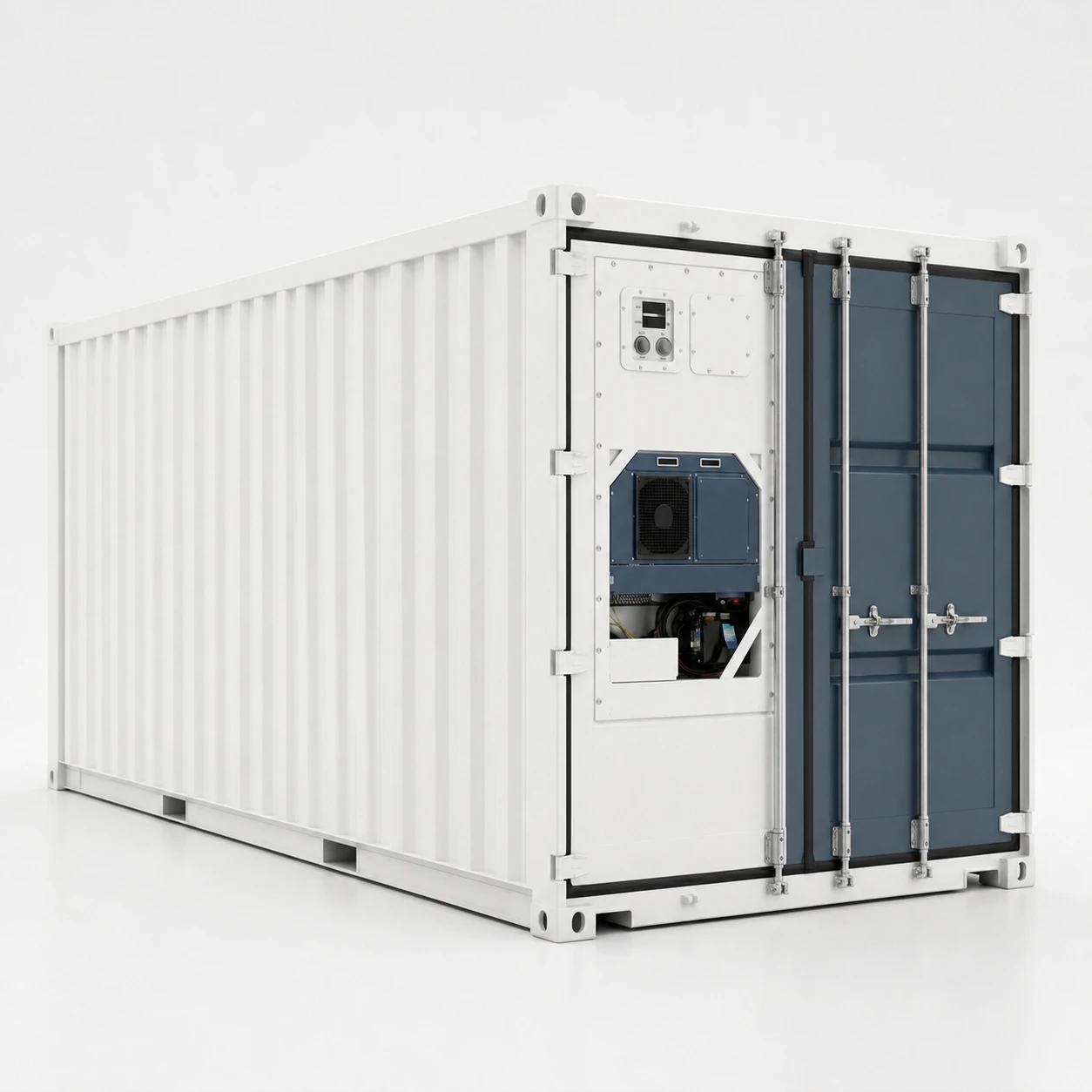
 20 ft marine reefer reference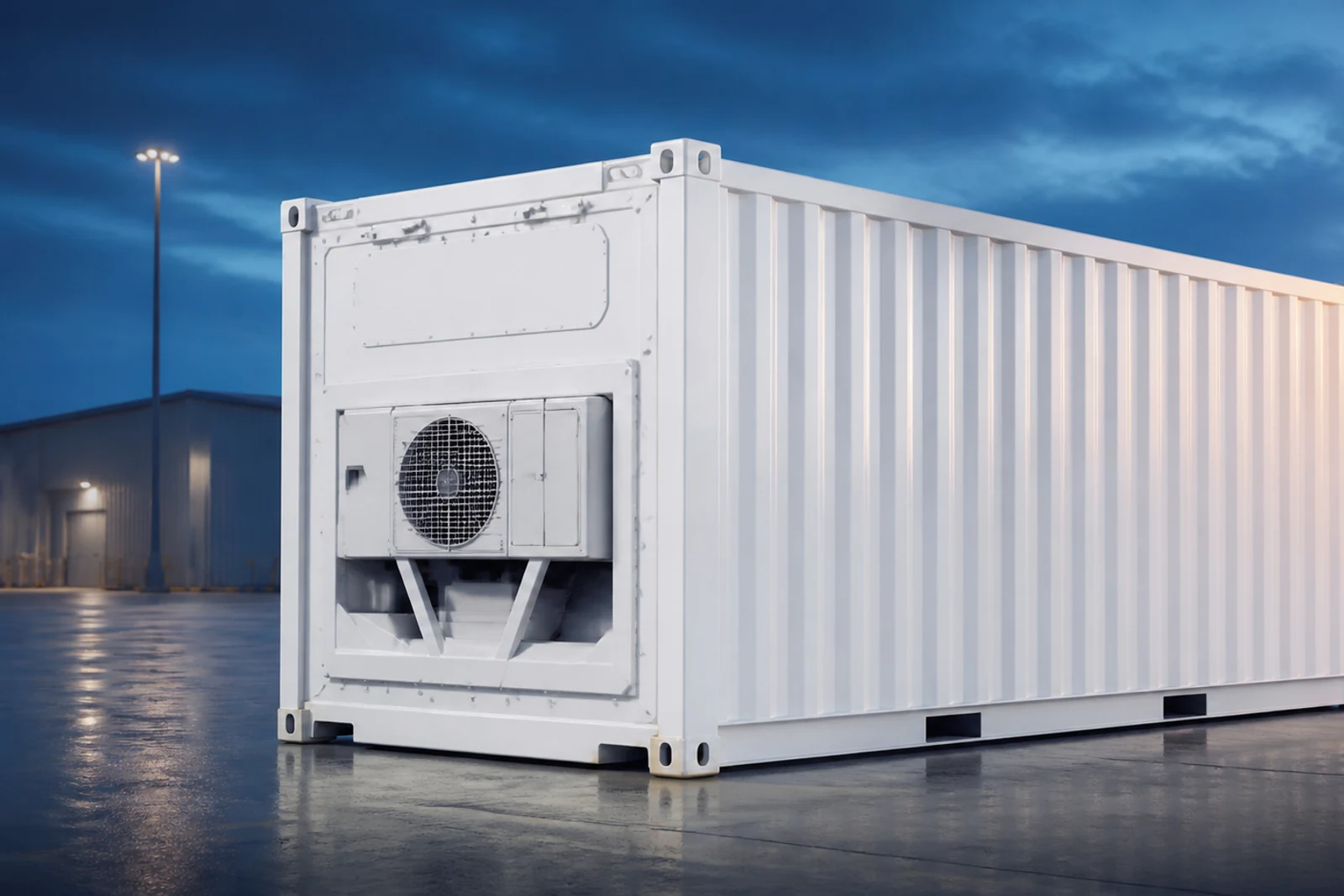
PORTABLE TEMPERATURE-CONTROLLED STORAGE
Reefer Container Options for Cold Storage
Compare refrigerated-container options through cargo behaviour, target temperature, ambient conditions, door openings, unit identity, electrical supply, condition and document evidence.
Temperature duty definedSeparate holding temperature from product pull-down or freezing expectations.
Unit identity checkedRequest serial, machinery, refrigerant, electrical and condition information.
Evidence before shipmentDefine PTI, operating records, CSC status and physical inspection scope.
Site interface plannedCoordinate power, cable, drainage, ventilation, placement, access and unloading.
FEATURED STARTING POINTS
Start with units that match the cargo and power plan
Open a product page to compare available specifications, options and the questions needed for a useful quote.
20 ft marine reefer reference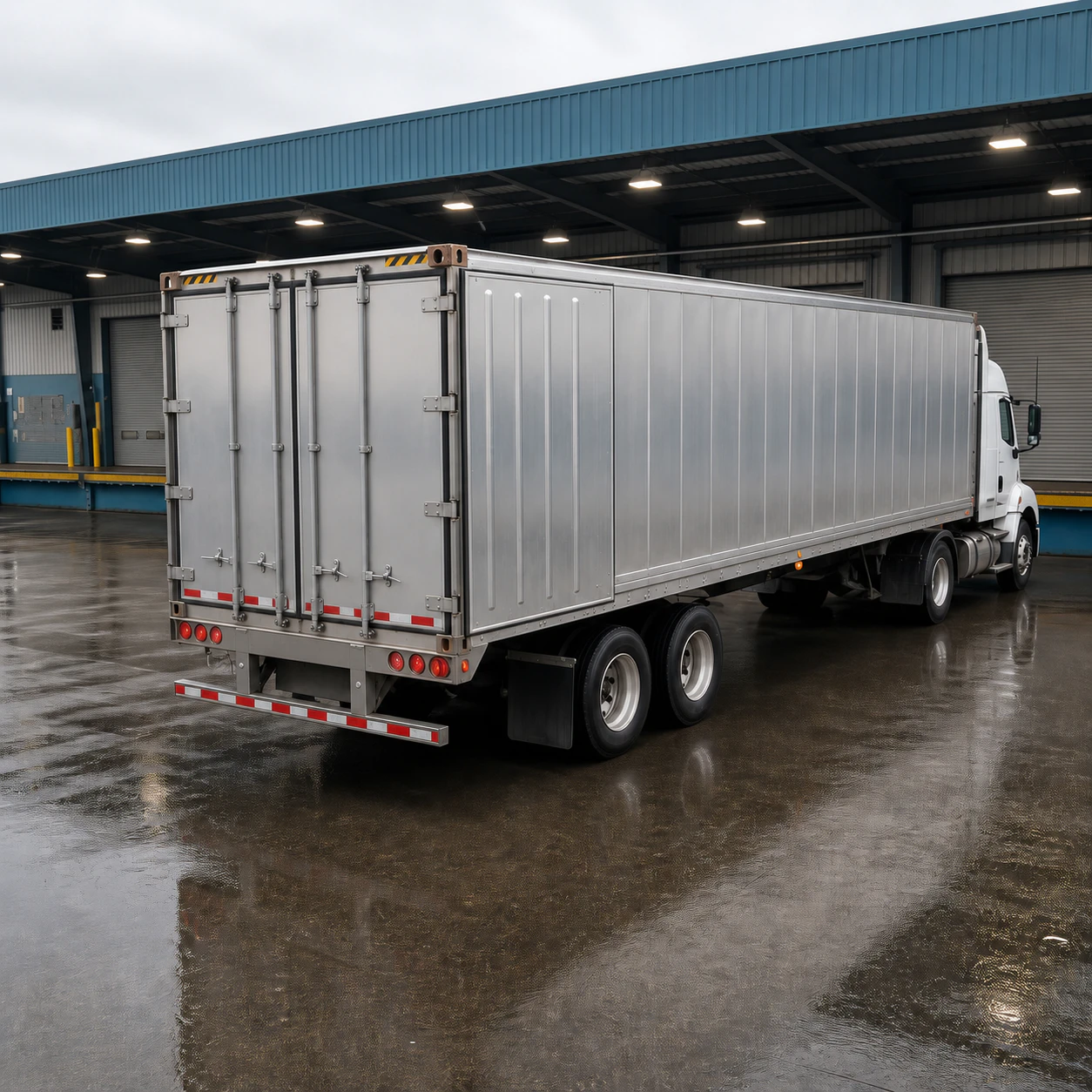 40 ft marine-grade refrigerated container
40FT Marine-Grade Reefer Container
Review configuration → Used refrigerated shipping container
40FT Used Reefer Container
Review configuration →9 AVAILABLE PRODUCT OPTIONS
Compare the current refrigerated-container range
Compare the configurations that best match your load, layout, environment and order requirements.
Product galleryReefer Containers
20FT Portable Reefer Container
Portable refrigerated container reference for seafood, food and temperature-controlled export projects
Product galleryReefer Containers
40FT Marine-Grade Reefer Container
40 ft marine-grade refrigerated container reference for temperature-controlled storage. Confirm exact unit identity, cooling unit, operating range, condition, power and PTI/CSC scope
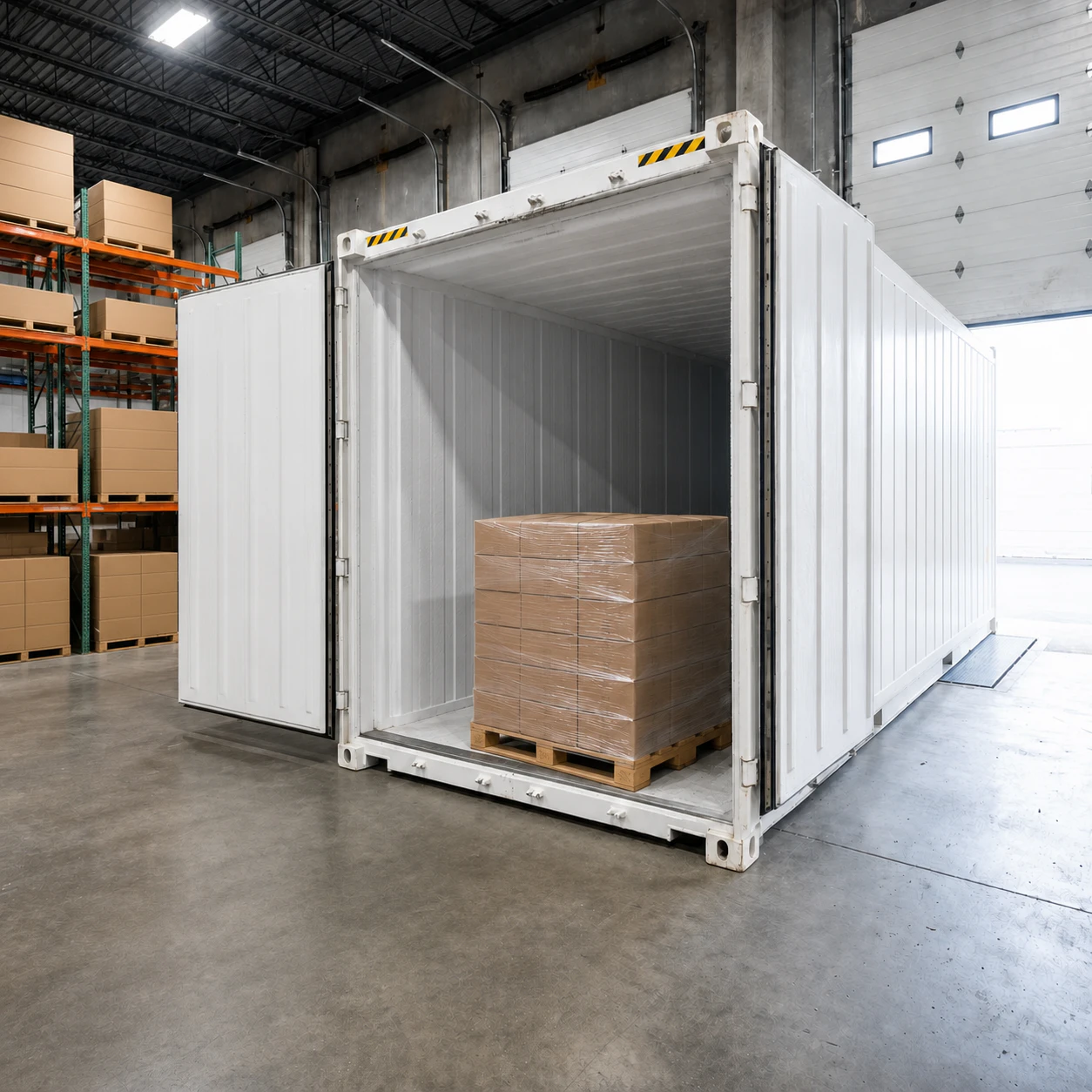 Product gallery
Reefer Containers
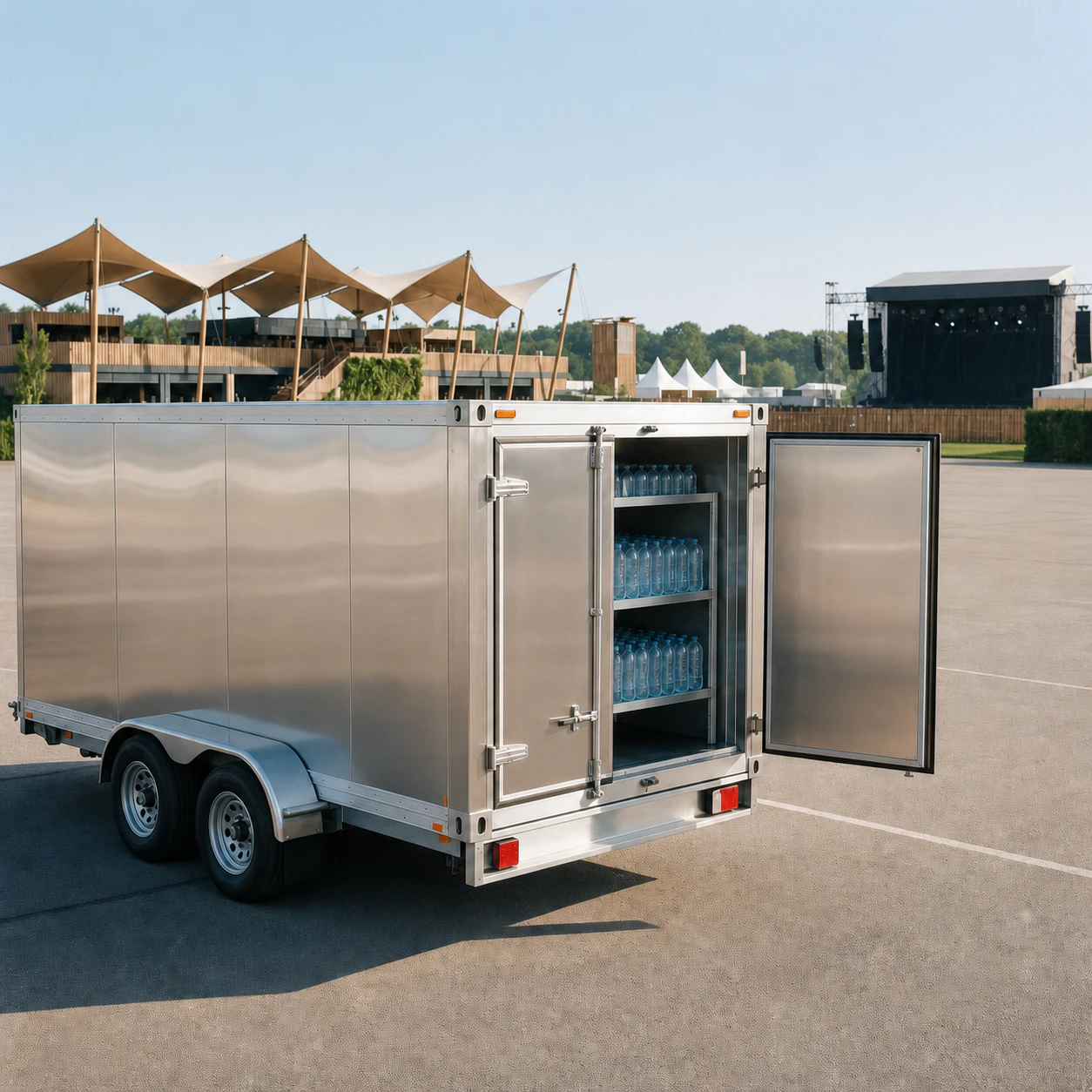
40FT Custom-Color Reefer Container
Supermarket and cargo cold storage reference for temperature-controlled storage. Confirm exact unit identity, cooling unit, operating range, condition, power and PTI/CSC scope
 Product gallery
Reefer Containers
20FT Precision-Temperature Reefer
Precision-temperature portable cold storage reference for temperature-controlled storage. Confirm exact unit identity, cooling unit, operating range, condition, power and PTI/CSC scope
Photos on requestReefer Containers
40FT Used Reefer Container
Used refrigerated shipping container reference for temperature-controlled storage. Confirm exact unit identity, cooling unit, operating range, condition, power and PTI/CSC scope
 Product gallery
Reefer Containers
20FT Industrial Mobile Reefer Container
Industrial mobile refrigerated container reference for temperature-controlled storage. Confirm exact unit identity, cooling unit, operating range, condition, power and PTI/CSC scope
View 3 more reefer containers options
 Product gallery
Reefer Containers
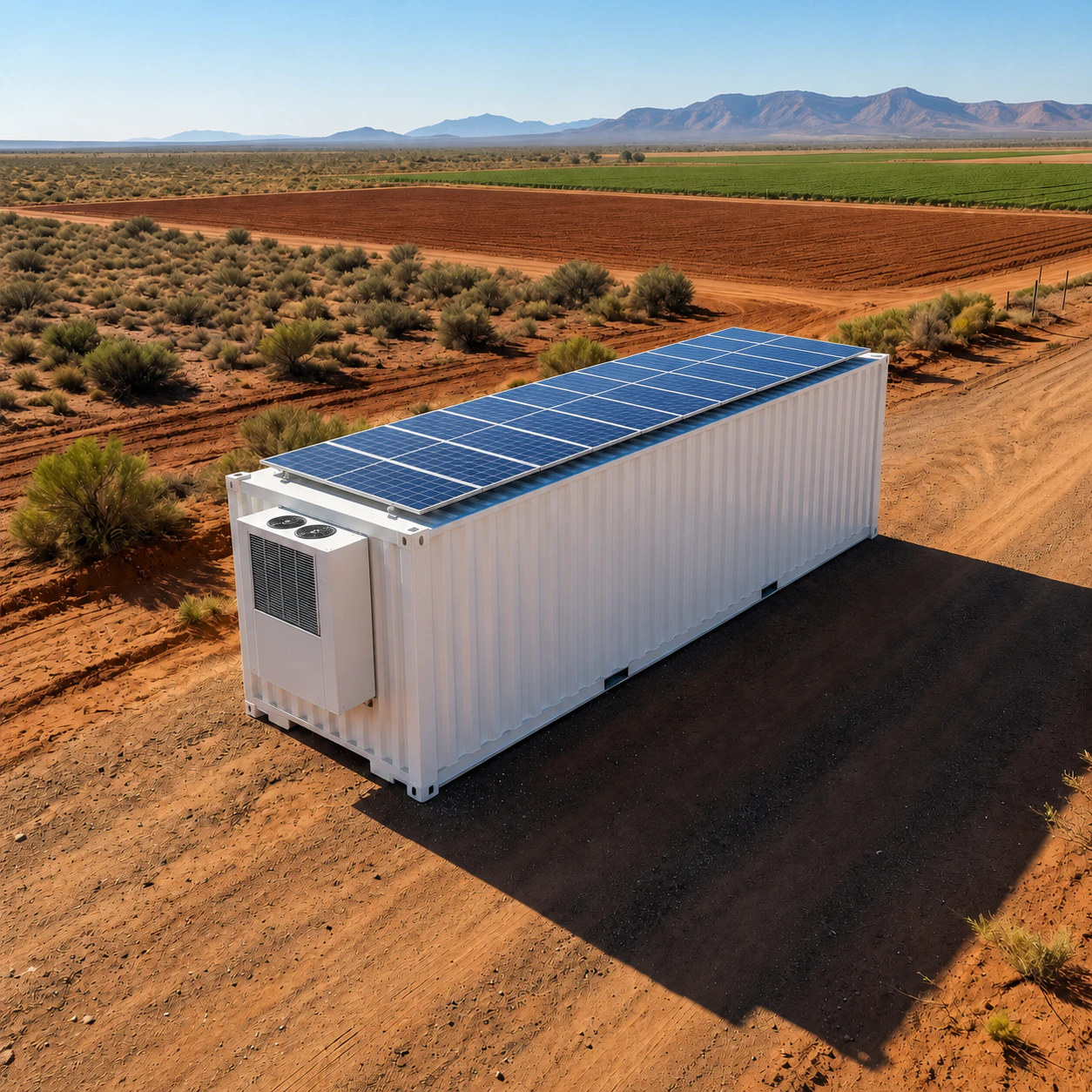
40FT High-Cube Reefer Container, −25°C to +25°C
40FT High-Cube Reefer Container, −25°C to +25°C for portable cold-chain storage, with the final dimensions, rated performance, options and documents matched to the approved order requirements.
 Product gallery
Reefer Containers
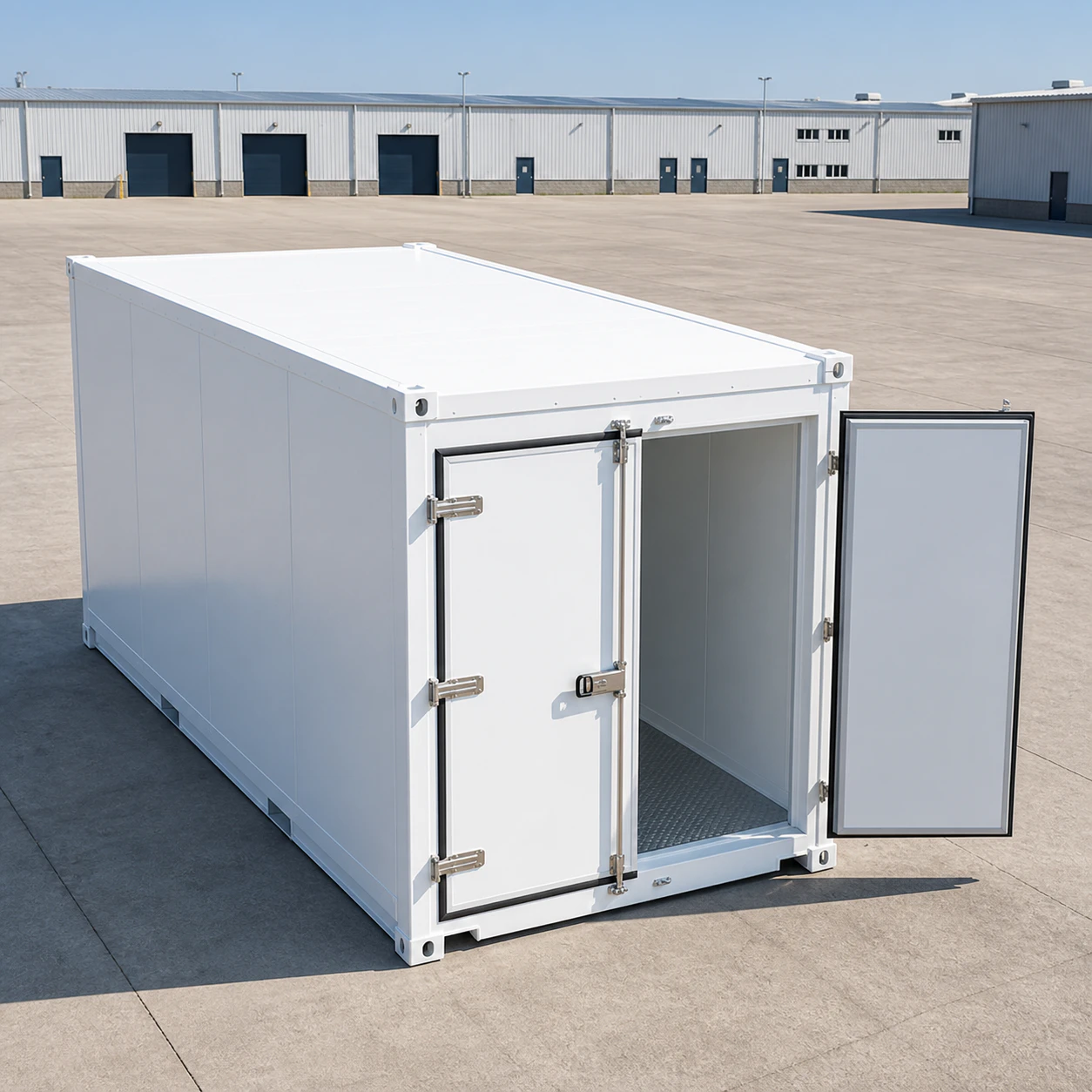
10–20FT Mobile Reefer Container for Food Cold Storage
10–20FT Mobile Reefer Container for Food Cold Storage for portable cold-chain storage, with the final dimensions, rated performance, options and documents matched to the approved order requirements.
 Product gallery
Reefer Containers
Solar-Powered 40HQ Mobile Cold Room for Off-Grid Storage
Solar-Powered 40HQ Mobile Cold Room for Off-Grid Storage for portable cold-chain storage, with the final dimensions, rated performance, options and documents matched to the approved order requirements.
COMPARE OPTIONS
Reefer-container buying routes
The rows define evidence questions; availability and performance remain unit-specific.
| Route | Starting use | Critical checks |
|---|---|---|
| 20-foot unit | Smaller site footprint or volume | Internal dimensions, machinery, condition, power |
| 40-foot high cube | Larger portable storage volume | Site space, transport, unloading, load and airflow |
| Used unit | Budget-sensitive stationary or permitted transport use | Serial history, corrosion, PTI, CSC, exclusions |
| Portable cold room | Stationary site storage | Access, shelving, controls, placement, local requirements |
Quotation status: Confirm for the selected model or project
QUOTE STARTING POINT
Four inputs before comparing reefer-container prices
Two containers with the same nominal size may differ materially in condition, machinery, duty and usable evidence.
What product, packaging, load pattern and incoming temperature will enter the unit?
Holding pre-cooled cargo is different from removing substantial product heat.
What set point, tolerance, pull-down time, humidity and storage duration are required?
A temperature range alone does not describe the thermal task.
What ambient climate, sun exposure and door-opening frequency apply?
External load and air exchange influence operating demand.
What supply, cable route, foundation, drainage, ventilation and service access exist?
The site must support safe operation of the exact machinery package.
UNIT MATCHING AND EVIDENCE REVIEW
A reefer request should describe the thermal task, not only the box size
WareVanta structures reefer enquiries around cargo, target temperature, incoming condition, ambient climate, door-opening pattern, storage duration, power and site constraints. We coordinate candidate unit identity, physical condition, cooling machinery, PTI and CSC evidence, commercial scope and placement logistics. Final performance depends on the exact unit, cargo preparation and operating conditions stated in the approved quotation.
Thermal-duty review
Separate holding, pull-down, freezing and humidity expectations.
Condition classification
Clarify new, one-trip, used or refurbished wording with physical evidence.
Machinery identity
Request unit serial, cooling-unit model, refrigerant, controls and electrical data.
Inspection scope
Define shell, doors, seals, floor, machinery, alarm and operating checks.
Document mapping
Identify PTI, CSC and destination documents required for the intended use.
Site coordination
Plan power, ventilation, drainage, placement, unloading and service access.
RANGE STRUCTURE
Cold-storage routes by unit size, condition and use
These are buyer decision paths, not claims that every option is available on every configuration.
20-foot reefer containers
A smaller portable cold-storage footprint; verify exact internal dimensions, machinery and condition.
40-foot high-cube reefers
A larger-volume route with site, transport, unloading and power implications.
Used reefer containers
Condition and machinery history require serial-level inspection, PTI evidence and clear exclusions.
Portable cold-room configurations
Site-use concepts may involve shelving, access or controls; distinguish stationary storage from container transport requirements.
BUYING CRITERIA
Eight checks that turn a reefer listing into a usable unit shortlist
Cold-storage suitability connects cargo, thermal duty, machinery, box condition, site and evidence.
Cargo heat load
Record product, incoming temperature, packaging, airflow and loading pattern.
Temperature task
Separate holding duty from pull-down, freezing or tight-tolerance control.
Cooling machinery
Confirm brand, model, serial, refrigerant, controls and service route.
Container condition
Inspect shell, frame, doors, seals, insulation, floor, drains and corrosion.
Power interface
Verify voltage, phase, frequency, plug, cable, protection and site responsibility.
PTI evidence
Agree pre-trip checks, test conditions, results, date and unit identity.
CSC and use
Confirm plate status and document needs for transport versus stationary storage.
Placement logistics
Plan delivery, lifting, foundation, airflow, drainage and maintenance clearance.
THERMAL DUTY
A holding-temperature statement does not prove pull-down performance
Refrigerated containers are commonly used to maintain properly prepared cargo, but removing heat from warm product is a different and often larger task. State product, mass, packaging, incoming temperature, target temperature, required time, ambient climate and door openings. The supplier should confirm the operating assumptions for the exact unit. Do not convert a displayed temperature range into a freezing or medical-storage claim without supporting evidence.
Decision boundary
Final dimensions, load data, options, applicable documents and delivery terms are controlled by the approved quotation and project files.
APPLICATION PATHS
Where containerised cold storage is usually evaluated
Application labels are starting points. Site conditions and project documents still govern the final selection.
Food and seafood holding
Define pre-cooling, packaging, airflow, sanitation, set point and loading practice.
Produce storage
Review cargo respiration, ventilation, humidity, ethylene and commodity-specific handling.
Stationary cold storage
Plan foundation, power, ventilation, drainage, access, service and local permissions.
Transport-capable use
Confirm exact CSC status, machinery operation, inspection and transport requirements.
PROJECT COORDINATION
How the thermal duty becomes an approved unit requirement
Define thermal duty
Record cargo, mass, packaging, incoming and target temperature, time and ambient.
Choose size and condition route
Compare footprint, volume, load plan, new/used condition and intended use.
Identify the exact unit
Request container and machinery serials, model, refrigerant, electrical and condition data.
Review tests and documents
Define PTI scope, operating record, CSC status and destination evidence.
Inspect physical and operating condition
Check shell, doors, seals, floor, drains, machinery, controls and alarms.
Plan delivery and placement
Close freight, lifting, foundation, power, ventilation, drainage and service access.

EVIDENCE & RESOURCES
Serial-level records that define container and machinery condition
We do not present category imagery as proof of stock, factory ownership, certification or a completed customer project.
- Cargo and incoming condition: What product, packaging, load pattern and incoming temperature will enter the unit?
- Temperature duty: What set point, tolerance, pull-down time, humidity and storage duration are required?
- Ambient and openings: What ambient climate, sun exposure and door-opening frequency apply?
- Power and placement: What supply, cable route, foundation, drainage, ventilation and service access exist?
Request a model- or project-specific specification that identifies the exact configuration, governing dimensions and performance fields. A category page is not a substitute for that record.
- Approved specification or project drawing
- Applicable inspection checklist
- Packing list and loading plan
- Manuals and parts information where applicable
- Destination-specific compliance documents only after scope confirmation
- Cargo, mass, packaging and load pattern
- Incoming product temperature
- Target temperature, tolerance and time
- Ambient climate and door openings
- Preferred size and condition
- Stationary storage or transport use
- Site electrical supply
- Placement, drainage and unloading
- PTI, CSC and destination documents
BUYER RESOURCES
View all resources →Cold-chain checks before comparing reefer container offers
20FT and 40FT Reefer Container Buying Guide
Compare container condition, cooling unit, temperature range, power, floor, insulation, CSC, PTI and service evidence before purchase.
Read the guide →Reefer Container PTI and CSC Document Checklist
Understand which unit identities, safety plates, pre-trip tests, temperature records and condition photos to request.
Read the guide →China Equipment Supplier Qualification Checklist
A practical due-diligence workflow for legal identity, manufacturing role, product fit, quality evidence, payment and contract controls.
Read the guide →Downloads: model sheets, drawings, conformity files, inspection records and packing documents are supplied only when they apply to the selected configuration and have been approved for release.
CONFIGURATION BEFORE PRICE
Turn cargo, climate and power data into a comparable reefer container offer.
Send the operating data once. We will identify the gaps that prevent a fair comparison.
WhatsApp the requirementBUYER DECISION SCENARIOS
What reefer-container buyers usually need to resolve
Representative procurement situations used to structure an RFQ; no customer identity or project result is implied.
Warm product entering a cold box
The priority is a defined pull-down duty, airflow and thermal review—not a set-point range alone.
Used unit for stationary storage
The priority is serial-level condition, machinery, PTI evidence, power and site placement.
Container intended for shipping
The priority is CSC status, carrier acceptance, exact identity and transport-condition evidence.
DIRECT ANSWERS
Questions to answer before requesting a reefer container quote
Answers are written for early procurement decisions. Project-specific facts still require the approved quotation and documents.
What information is needed to quote a reefer container?
Provide cargo type and mass, packaging, incoming temperature, target temperature and tolerance, pull-down requirement, storage duration, ambient climate, door-opening frequency, load pattern, site power, intended stationary or transport use, preferred size and condition, destination, placement and required PTI, CSC or other documents. These inputs allow a unit-specific review.
What is the difference between holding temperature and pull-down?
Holding duty maintains cargo that has already been prepared near the desired temperature. Pull-down removes substantial heat from warmer product within a stated time. The latter depends on product mass, heat properties, packaging, airflow, ambient conditions and unit performance. A displayed operating range does not prove a specific pull-down or freezing task.
How should new, one-trip, used and refurbished reefers be compared?
Condition labels require clear definitions and physical evidence. Compare container age or identity, structural and corrosion condition, doors, seals, insulation, floor, cooling machinery, operating hours where available, repairs, PTI results, CSC status, warranty boundaries and exclusions. Request current serial-level photographs and test records rather than relying only on a category label.
What is a PTI report?
A pre-trip inspection records checks performed on a specific refrigerated unit before use or dispatch. Scope can vary, so ask what functions, temperatures, alarms, controls and visual items were tested, under what conditions and on what date. Match the container and machinery serials to the offered unit. PTI evidence does not replace cargo-specific thermal validation.
Why is the CSC plate important?
The CSC safety approval plate and current examination status are relevant to international container transport. Stationary cold-room use and marine transport have different operational and document questions. Ask for a clear plate image and verify current applicability for the intended route with the responsible carrier or authority; do not assume every stationary reefer is transport-ready.
Which electrical details must be confirmed?
Confirm unit input voltage, phase, frequency, plug and cable, protective devices, starting demand and site connection responsibility. State local supply and cable distance. The installation should be reviewed by an appropriately qualified party for the destination. A converter or generator should not be selected from nominal power alone without machinery and starting requirements.
How should a reefer be placed for stationary use?
Plan a level supporting surface, structural support points, machinery-end ventilation, door access, drainage, safe electrical connection, service clearance, lifting or delivery access and protection from site traffic. Local permissions, fire, noise and sanitation requirements may apply. Ask the supplier to state lifting and support guidance for the exact unit.
Can a reefer container be presented as suitable for medical storage?
Only with evidence for the exact application, temperature control, monitoring, alarms, qualification, backup, procedures and applicable destination requirements. A reefer title, temperature range or generic cold-chain image is not enough to establish pharmaceutical or medical compliance. Until supporting evidence is reviewed, present such use as a requirement to assess rather than a verified capability.
1. Describe the cargo and loading pattern
Record product, total mass, packaging, pallet or loose-load arrangement, incoming temperature, moisture or ventilation needs and loading frequency. Show the intended airflow path and clearance around cargo. Tightly packed or poorly prepared loads can obstruct circulation even when the machinery operates normally.
Identify commodity-specific handling expectations without treating a generic reefer as evidence of regulatory suitability. For sensitive cargo, define monitoring, alarms, backup and qualification requirements separately.
2. Define the thermal task
State target temperature, permitted variation, storage duration, ambient range, sun exposure and door-opening schedule. Separate holding pre-cooled cargo from pull-down or freezing. If heat must be removed, give product mass, incoming temperature, target and required time.
Ask the supplier to confirm operating assumptions for the exact unit. Do not convert the machinery's broad set-point range into a performance promise under an unspecified cargo load.
3. Choose size and intended use
Compare external footprint, internal usable dimensions, door opening, load plan and site access for 20-foot and 40-foot high-cube routes. State whether the unit will remain stationary, move domestically or travel as an international shipping container. These uses create different CSC, lifting and transport questions.
Distinguish a marine reefer from a modified portable cold room or refrigerated vehicle body. Similar appearance does not make the products interchangeable.
4. Define condition and exact identity
Set the meaning of new, one-trip, used or refurbished in the request. Obtain container number, machinery brand, model and serial, refrigerant, electrical data and current photographs. Ask about repairs and operating history where available, while treating unsupported statements cautiously.
Inspect frame, panels, corrosion, doors, seals, insulation indicators, T-floor, drains and machinery compartment. Unit-level evidence is essential because two containers in the same category can differ materially.
5. Review PTI, CSC and operating evidence
Request the current PTI record and define its test scope, conditions, alarms, controls and date. Match all serials. Ask for a clear CSC plate image and current examination status when transport use is intended. Verify carrier and destination requirements through responsible parties.
A PTI does not validate a specific cargo pull-down, pharmaceutical qualification or local installation. Keep those evidence tasks distinct.
6. Prepare power and site interfaces
Provide voltage, phase, frequency, cable distance and available protection. Confirm plug, cable, starting and running requirements for the machinery. Plan a level support, machinery ventilation, drainage, door access, service clearance and protection from vehicles.
Identify lifting, side-loader or crane access and unloading responsibility. A unit that fits the available area may still be impossible to deliver or service without adequate clearances.
7. Define inspection and commercial scope
Create an inspection schedule covering identity, structure, corrosion, doors, seals, floor, drains, machinery, controls, alarms and an agreed operating test. State which defects, repairs or cosmetic conditions are acceptable for used equipment. Obtain dated photos and test records.
Compare included cables, plugs, monitoring, shelves, spare parts, manuals, cleaning, PTI, packing or securing, inland movement and delivery terms. Warranty should state components, exclusions, claim evidence, freight and local labour responsibility.
8. Plan operation and handover
Before loading cargo, establish pre-cooling, airflow, loading limits, set-point control, door discipline, monitoring, alarm response, cleaning and maintenance procedures. Confirm local service and critical spare-part routes for the actual machinery. Operators should understand that refrigeration cannot correct every cargo-preparation problem.
Tie unit serials, accepted condition, test results, documents and commercial scope to the order and handover. Any substitute unit should receive the same identity and evidence review rather than being accepted only because size and price match.
9. Verify receipt before loading valuable cargo
Match container and machinery serials, condition photographs, PTI record, CSC evidence where applicable, cables, plugs and accessories to the order. Inspect transport damage and verify site placement, power, airflow, drainage and service clearance. Perform the agreed operating check under known conditions before committing cargo.
A no-load temperature display is only one observation. Acceptance criteria should reflect the agreed inspection scope and should not be presented as proof of an unstated cargo performance duty.
10. Preserve traceability through service and resale
Keep manuals, serials, refrigerant, service events, alarms, repairs and parts with the unit record. If machinery or controls change, update the technical and electrical information. Current records support maintenance, future PTI work and transparent resale condition.
Log cargo and operating incidents separately with temperatures, ambient conditions and door events. Such records can improve internal procedures, but they should not be converted into public medical, food-safety or customer-success claims without appropriate evidence and permission. When ownership or site changes, repeat the power, placement, condition and intended-use review instead of assuming the previous operating context still applies.
STRUCTURED RFQ
Send cargo, climate and power data so reefer container offers can be compared
Include the fields below in the application message. If a field is unknown, say so and we will identify the next measurement or document required.
- 01Cargo, mass, packaging and load pattern *
- 02Incoming product temperature *
- 03Target temperature, tolerance and time *
- 04Ambient climate and door openings *
- 05Preferred size and condition
- 06Stationary storage or transport use *
- 07Site electrical supply *
- 08Placement, drainage and unloading
- 09PTI, CSC and destination documents