
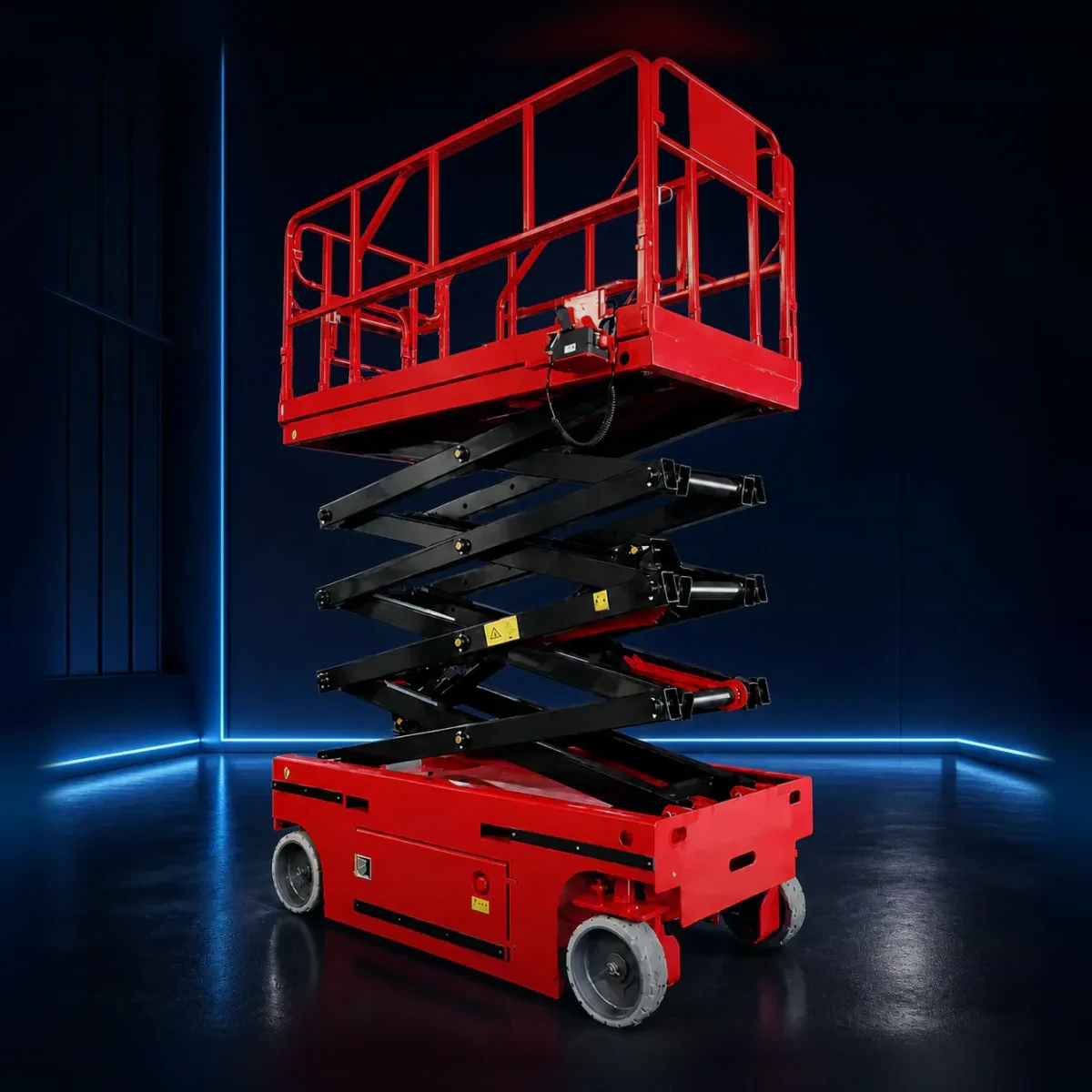
 5.8-6 m listing class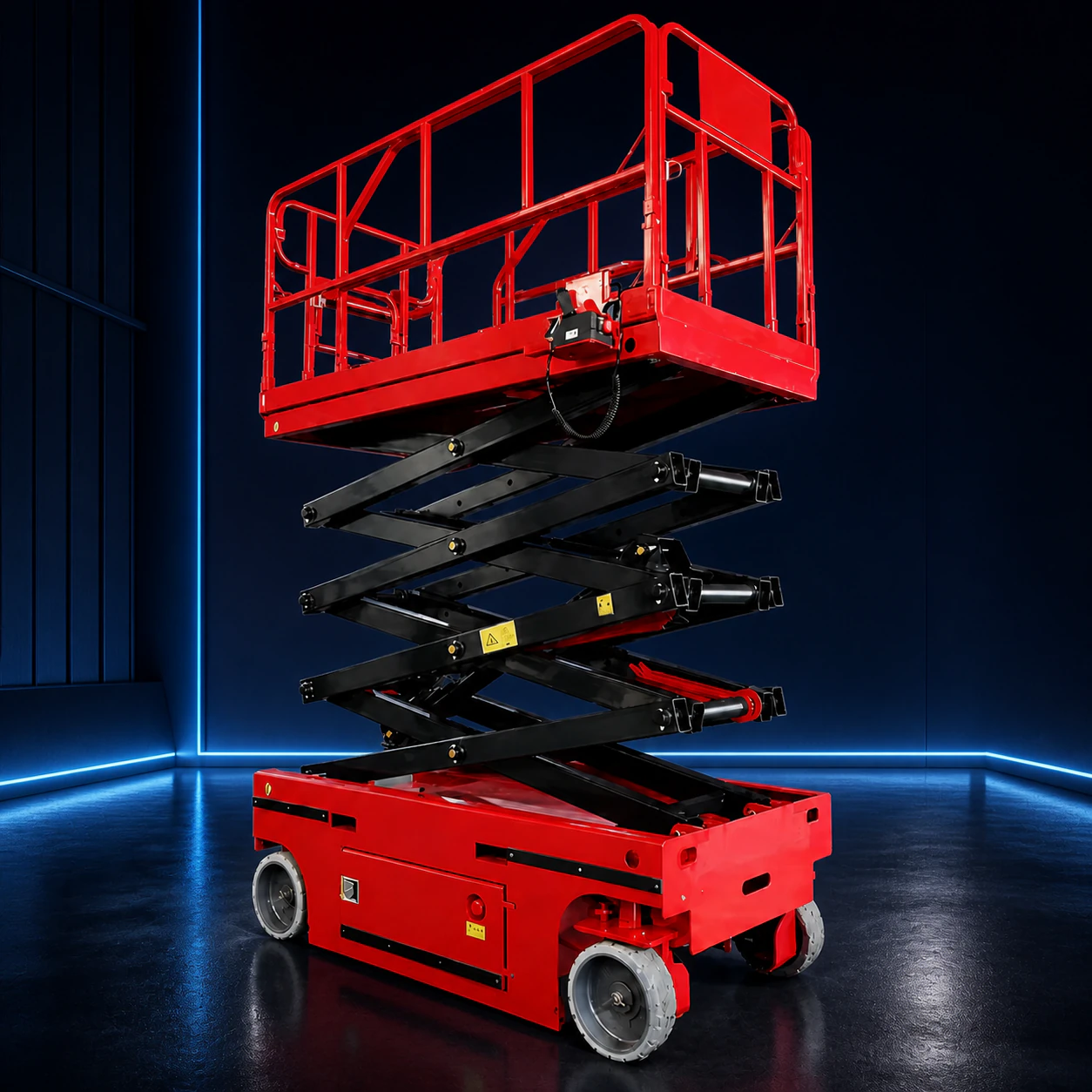
ELECTRIC ACCESS EQUIPMENT SELECTION
Electric Scissor Lift Selection for Access Work
Compare access-platform configurations using working height, platform load, travel mode, floor condition, gradient, operating environment and destination requirements.
Height terms separatedConfirm whether a source states platform height or working height.
Ground conditions includedReview floor loading, surface, slopes, openings and indoor or outdoor exposure.
Safety scope documentedRequest the exact model manual, devices, test records and applicable documents.
Transport consideredCheck stowed dimensions, weight, access route, unloading and charging supply.
FEATURED STARTING POINTS
Start with access configurations that state the working task
Open a product page to compare available specifications, options and the questions needed for a useful quote.
5.8-6 m listing class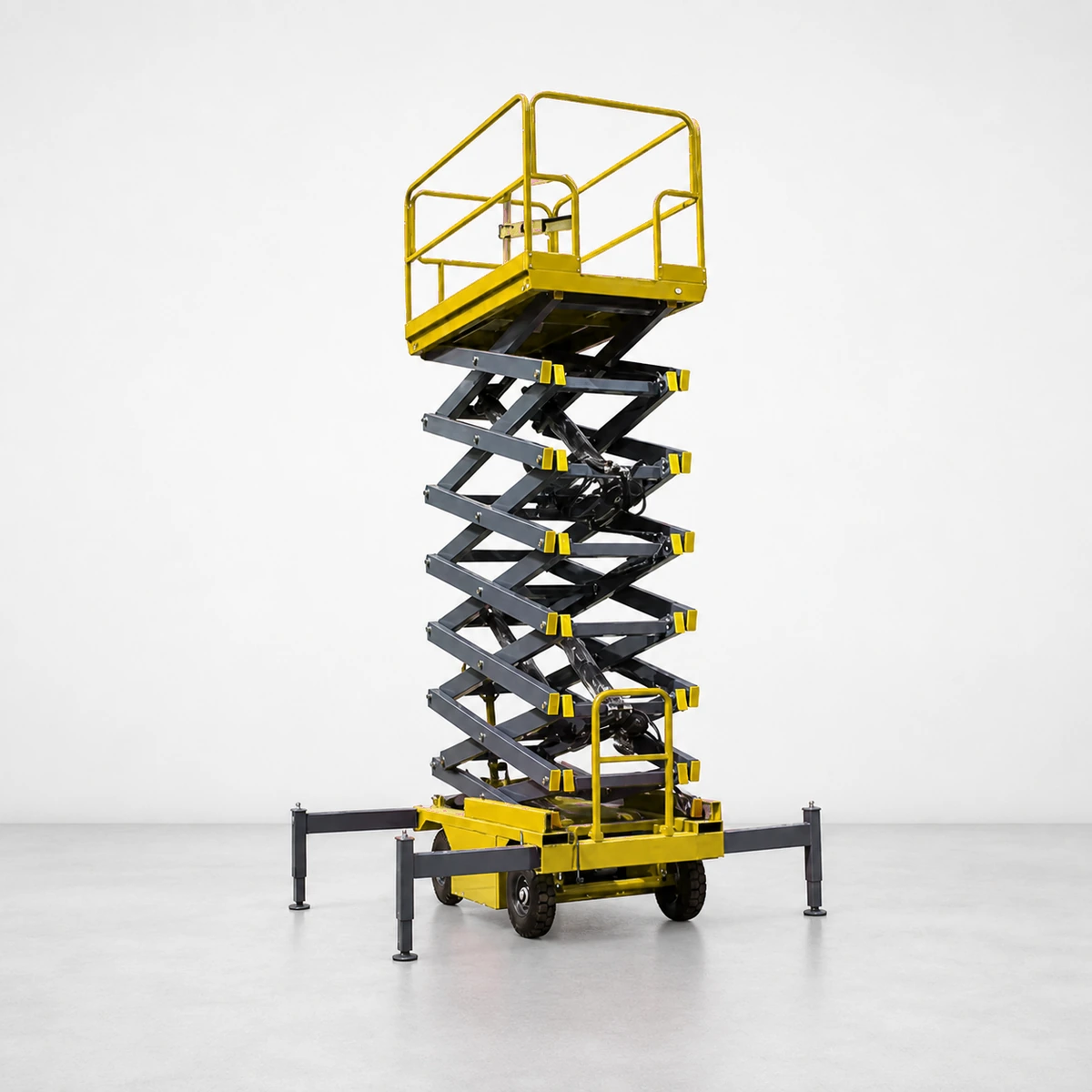 6 / 8 / 10 / 12 m listing configuration
6-12 m Portable Hydraulic Scissor Lift
Review configuration →4 AVAILABLE PRODUCT OPTIONS
Compare the current scissor-platform range
Compare the configurations that best match your load, layout, environment and order requirements.
Product galleryElectric Scissor Lifts
5.8-6 m Electric Scissor Lift
Electric work-platform reference for facility maintenance and controlled project access
Product galleryElectric Scissor Lifts
6-12 m Portable Hydraulic Scissor Lift
Portable hydraulic scissor-lift reference for 6 / 8 / 10 / 12 m. Confirm platform height, working height, rated load, drive system and the applicable conformity file
 Product gallery
Electric Scissor Lifts
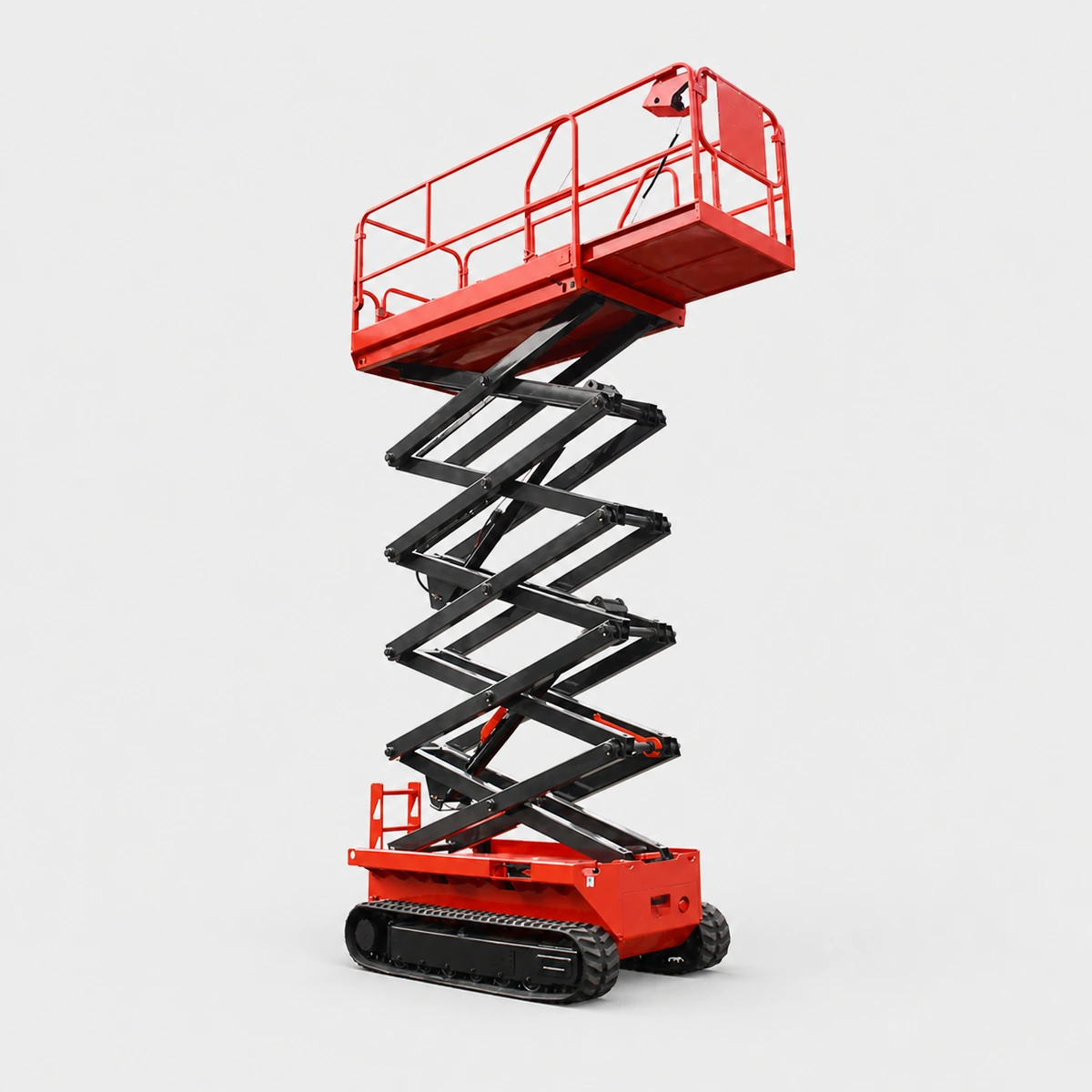
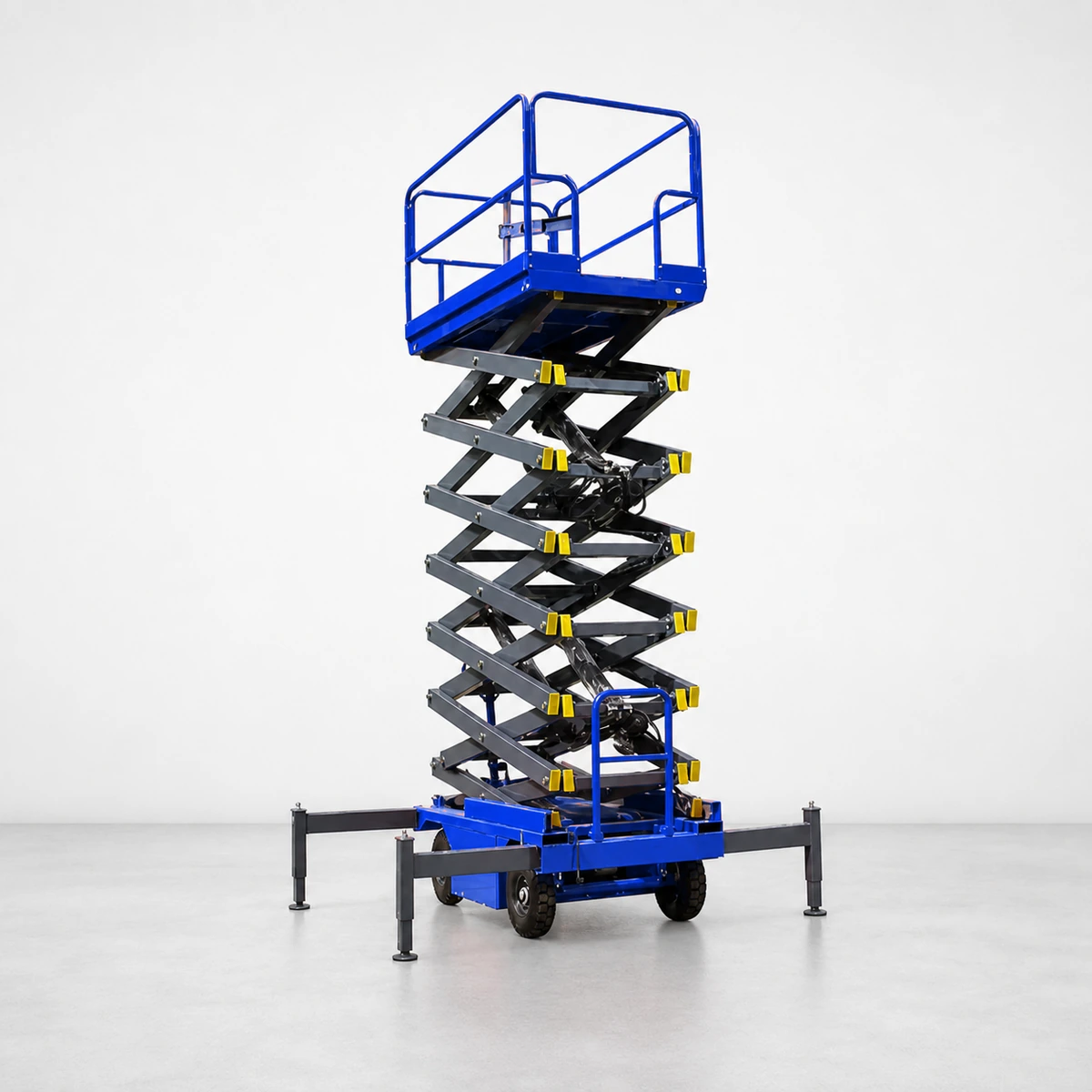
4–20 m Crawler Self-Propelled Electric Scissor Lift
4–20 m Crawler Self-Propelled Electric Scissor Lift for industrial access work, with the final dimensions, rated performance, options and documents matched to the approved order requirements.
 Product gallery
Electric Scissor Lifts
2 Ton Compact Electric Scissor Lifting Platform
2 Ton Compact Electric Scissor Lifting Platform for industrial access work, with the final dimensions, rated performance, options and documents matched to the approved order requirements.
COMPARE OPTIONS
Electric scissor-lift selection routes
The rows describe buying routes, not confirmed specifications for every listed product.
| Type | Typical decision context | Critical checks |
|---|---|---|
| Push-around | Occasional work on controlled level floors | Stabilisation, platform load, repositioning |
| Mobile powered | Repeated work across a defined facility route | Travel mode, deck, doorways, floor loading |
| Self-propelled | Frequent positioning within the work zone | Elevated travel, gradient, controls, protection |
| Crawler | Selected uneven or outdoor surfaces | Ground limits, stability, wind, transport |
Quotation status: Confirm for the selected model or project
QUOTE STARTING POINT
Four inputs that define an access-platform shortlist
Start with the work position and ground rather than the maximum number in a headline specification.
What must be reached, and is the stated requirement working height or platform height?
Different height definitions can make two offers appear comparable when they are not.
How many people, tools and materials will be on the platform?
Rated load, deck size and extension use must suit the complete working load.
Is the site indoor or outdoor, level or sloped, smooth or uneven?
Surface, gradient, wind and floor loading influence the appropriate configuration.
What doors, lifts, ramps and unloading constraints lead to the work area?
Stowed dimensions and machine weight can rule out a candidate before operation.
ACCESS REQUIREMENTS BEFORE A MODEL NUMBER
A clearer route from task height to an evidence-backed configuration
WareVanta structures electric scissor-lift enquiries around the task, elevation, platform load, surface, travel path and operating environment. We distinguish working height from platform height and separate push-around, mobile, self-propelled and crawler concepts. Candidate suppliers are asked to return exact model data and destination-relevant document evidence instead of relying on mixed listing ranges.
Task mapping
Define the work, tools, occupants, height and reach constraints.
Type screening
Separate scissor lifts from boom lifts, cargo platforms and unrelated access equipment.
Ground review
Capture slab, surface, slope, openings, wind and indoor/outdoor conditions.
Safety evidence
Request model-specific devices, manual, test information and document scope.
Transport fit
Check stowed envelope, weight, doorway, loading and unloading method.
Quotation control
Normalise height, load, platform, drive, power, options and commercial inclusions.
RANGE STRUCTURE
Access-platform routes by height, travel mode and ground
These are buyer decision paths, not claims that every option is available on every configuration.
Push-around platforms
For selected controlled-floor tasks where repositioning is manual; verify stabilisation, load and permitted use.
Mobile powered platforms
Powered lift with project-specific travel arrangement; confirm whether travel is permitted while elevated.
Self-propelled scissor lifts
For repeated repositioning within the work area; check controls, gradient, floor and protection systems.
Crawler configurations
A route for selected uneven-ground access; confirm surface limits, stability, transport and exact machine identity.
BUYING CRITERIA
Eight checks before comparing electric scissor lift offers
Reach is only one part of the decision. The machine must also support the load, stand on the site and reach the work area.
Height definition
Separate platform height, working height and any outreach requirement.
Platform load
Include people, tools, materials and extension-deck restrictions.
Deck geometry
Confirm platform dimensions, extension, gate and guardrail arrangement.
Ground support
Check slab capacity, surface, openings, slopes and levelling requirements.
Drive configuration
Confirm travel mode, steering, braking and elevated-travel conditions.
Operating environment
State indoor/outdoor exposure, ambient conditions and wind requirements.
Safety devices
Request exact-model details for lowering, tilt, overload and protective systems.
Transport envelope
Verify stowed dimensions, weight, tie-down, loading and unloading method.
HEIGHT TERMINOLOGY
Working height and platform height are not interchangeable
Platform height describes the elevation of the platform floor, while working height is commonly presented as an assumed reach above it. That assumption may vary by supplier or market. State the physical task point and ask every supplier to identify both values for the exact model. Also confirm whether the job requires vertical reach only; a scissor mechanism does not replace an articulated platform where horizontal outreach is essential.
Decision boundary
Final dimensions, load data, options, applicable documents and delivery terms are controlled by the approved quotation and project files.
APPLICATION PATHS
Where vertical access platforms are usually evaluated
Application labels are starting points. Site conditions and project documents still govern the final selection.
Facility maintenance
Define task point, route, floor, tools, occupants and operating interruptions.
Warehouse installation
Check rack clearances, sprinkler zones, doorways, floor loading and traffic interfaces.
Production access
Review contamination, shutdown, guarding, nearby machinery and electrical supply.
Selected outdoor work
Confirm wind, gradient, ground support, weather limits and safe relocation conditions.
PROJECT COORDINATION
How the access task becomes an approved platform configuration
Define the task point
Record vertical height, any outreach, work duration, people, tools and materials.
Survey the route and ground
Capture doors, lifts, ramps, floor loading, surface, slope and outdoor exposure.
Screen the equipment type
Separate push-around, self-propelled, crawler, boom and cargo-lift needs.
Request exact-model evidence
Obtain dimensions, load, drive, safety, power, manual and applicable documents.
Compare full scope
Normalise accessories, charging, transport, packing, inspection and commercial terms.
Approve the configuration
Tie the identity, evidence and agreed checks to the order documents.
EVIDENCE & RESOURCES
Evidence that connects height, load and machine identity
We do not present category imagery as proof of stock, factory ownership, certification or a completed customer project.
- Task and height: What must be reached, and is the stated requirement working height or platform height?
- Platform load: How many people, tools and materials will be on the platform?
- Ground and environment: Is the site indoor or outdoor, level or sloped, smooth or uneven?
- Access and transport: What doors, lifts, ramps and unloading constraints lead to the work area?
Request a model- or project-specific specification that identifies the exact configuration, governing dimensions and performance fields. A category page is not a substitute for that record.
- Approved specification or project drawing
- Applicable inspection checklist
- Packing list and loading plan
- Manuals and parts information where applicable
- Destination-specific compliance documents only after scope confirmation
- Task point and required height
- Working height or platform height
- People, tools and material load
- Required platform and extension size
- Floor, slope and outdoor conditions
- Doorways, lifts and transport route
- Drive and relocation requirement
- Charging power supply
BUYER RESOURCES
View all resources →Access-equipment checks for a safer technical RFQ
China Equipment Supplier Qualification Checklist
A practical due-diligence workflow for legal identity, manufacturing role, product fit, quality evidence, payment and contract controls.
Read the guide →Downloads: model sheets, drawings, conformity files, inspection records and packing documents are supplied only when they apply to the selected configuration and have been approved for release.
CONFIGURATION BEFORE PRICE
Turn the access task into a comparable electric scissor lift offer.
Send the operating data once. We will identify the gaps that prevent a fair comparison.
WhatsApp the requirementBUYER DECISION SCENARIOS
What access-equipment buyers usually need to resolve
Representative procurement situations used to structure an RFQ; no customer identity or project result is implied.
Tall task through a low doorway
The priority is the relationship between working height, stowed height and the complete access route.
Outdoor work on uneven ground
The priority is verified ground, gradient, wind and stability limits for the exact model.
Tools and materials on the deck
The priority is complete platform load, deck geometry and extension restrictions—not height alone.
DIRECT ANSWERS
Questions to answer before requesting an electric scissor lift quote
Answers are written for early procurement decisions. Project-specific facts still require the approved quotation and documents.
What is the difference between working height and platform height?
Platform height is the elevation of the platform floor. Working height is often a supplier's assumed reach above that floor, and the allowance can vary. State the actual task point and ask each supplier to identify both values for the exact model. Do not compare one offer's working height with another offer's platform height.
Can a scissor lift provide horizontal outreach?
A scissor lift primarily raises the platform vertically. An extension deck may provide limited platform extension, but it is not equivalent to articulated or telescopic boom outreach. If the task point is above an obstruction or cannot be approached directly beneath, provide a site sketch and consider whether a different access-equipment category is required.
Which ground information is needed for a scissor-lift quotation?
Describe slab or ground capacity, surface smoothness, joints, holes, drainage, gradients, ramps, thresholds and indoor/outdoor exposure. Include any lift, doorway or floor-loading restrictions on the route. The proposed model should state machine weight, wheel or track arrangement, permitted gradient and operating-surface assumptions for the intended condition.
How should platform load be calculated?
Add every person, tool, material and accessory expected on the platform. State how the load is distributed and whether an extension deck will carry people or materials. Ask the supplier to confirm rated load, extension-deck limits, permitted occupants and any restrictions for the exact model rather than applying a catalogue range to every configuration.
What safety information should be requested?
Request the exact operating manual and details for emergency lowering, braking, tilt indication, overload protection, pothole or stability provisions, guardrails, gate, alarms and any outrigger or levelling system. The required devices and conformity evidence depend on model and destination. Do not infer compliance from generic artwork or a supplier-profile badge.
Can an electric scissor lift be used outdoors?
Only when the exact model and operating instructions permit the intended outdoor conditions. State wind exposure, surface, gradient, temperature, precipitation and relocation method. Ask for model-specific wind rating or restrictions, stability conditions and ground requirements. Indoor-only electric equipment should not be presented as suitable outdoors based on tyre or track appearance alone.
What transport dimensions should be confirmed?
Confirm stowed length, width, height, machine weight, folded guardrail arrangement, tie-down points and any dismantling required. Compare these with doors, freight lifts, ramps, truck deck, container opening and unloading equipment. Obtain a model-specific packing and loading plan before final freight costing; avoid relying on a mixed listing's generic dimensions.
Which documents should be tied to the exact scissor-lift model?
Ask for the datasheet, dimensional drawing, operating and maintenance manual, safety-device description, test or inspection records, parts information and copies of destination-required compliance documents. Check model references and scope. A document for a similar height class or another machine type does not establish that the quoted platform has the same approved configuration.
1. Define the task rather than an approximate height
Identify the physical point where work occurs and whether the operator must reach vertically or across an obstruction. Record the height, horizontal offset if any, working duration, number of people, tools and materials. Photographs and a marked-up site image can prevent a supplier from interpreting a floor-to-ceiling dimension as the required platform elevation.
If horizontal outreach is essential, a vertical scissor mechanism may not be the correct category. An extension deck offers a different and limited function. Resolve the access method before comparing model prices.
2. Separate platform height from working height
Ask every supplier to state both platform height and advertised working height for the exact model. Working height is often calculated by adding an assumed operator reach, but that allowance may differ. Comparing unmatched definitions can create a significant selection error even when two headline specifications show similar numbers.
Also request stowed height, overall raised height and guardrail-folding arrangement. These dimensions establish whether the machine can reach the site, pass beneath obstructions and operate within the available vertical envelope.
3. Calculate the complete platform load
Add occupants, tools, parts, consumables and materials. Note concentrated or uneven loads and whether an extension deck will be used. State the required platform dimensions and gate arrangement. A platform that reaches the task may still be unsuitable if the work crew or materials exceed the permitted load or available space.
Request the rated platform load, extension-deck limit, occupant limit and any restrictions on load distribution. These values must belong to the quoted model rather than a general series range.
4. Survey the ground and operating environment
Record slab capacity, floor finish, joints, holes, drains, slopes, ramps and outdoor ground conditions. State whether the lift will operate near edges, openings, moving vehicles or production equipment. For outdoor use, include wind, temperature and weather exposure instead of assuming a crawler or large tyre automatically authorises the condition.
Ask the supplier for machine weight, wheel or track data, permitted gradient, levelling requirements and operating limitations. Site responsibility and machine capability must be reviewed together.
5. Choose drive and relocation mode
Determine how often the machine will move, how far it travels and whether relocation is needed while the platform is elevated. Push-around, powered-mobile, self-propelled and crawler designs create different requirements for steering, braking, controls, turning space, operator protection and transport.
The quotation should state drive mode, elevated-travel capability or prohibition, travel speed basis, gradeability assumptions and control locations. Avoid inferring these functions from a promotional image.
6. Check access, transport and power
Measure doorways, freight lifts, corridors, ramps and turning points between unloading and the work area. Compare them with the machine's stowed envelope and weight. State truck or container constraints, unloading equipment and whether guardrails must fold or components must be removed.
Provide local voltage, phase, frequency, plug and charging window. Ask for battery and charger data, expected operating assumptions and replacement route. These checks may eliminate an otherwise suitable height class before shipment.
7. Request model-specific safety evidence
Ask for the operating manual and exact-model descriptions of emergency lowering, braking, tilt warning, overload protection, guardrails, gates, alarms, stability provisions and any levelling system. Determine which functions are standard, optional or not offered. Safety-critical statements should not be copied from unrelated models in a combined listing.
Request applicable compliance documents for the destination and check model names, standards, dates and scope. Keep unverified claims visibly open until evidence is reviewed.
8. Build the approval and inspection plan
Normalise height definitions, load, deck, dimensions, weight, drive, ground limits, power, safety devices, accessories, manuals, documents, warranty, packing and commercial terms. Mark every deviation from the RFQ. Confirm price inclusions and order-specific transport details before freight comparison.
Define inspection around machine identity, nameplates, platform and guardrails, controls, lowering, drive and braking functions, charger, accessories, manuals, packing and loading records. Tie the accepted configuration and evidence list to the order so a broad supplier range becomes a specific deliverable.
9. Prepare the receiving site
Confirm delivery access, unloading equipment, floor route, charging point and temporary storage before dispatch. Recheck doorway and freight-lift limits against the final packed and stowed dimensions. Site personnel should know who is responsible for assembly, checks and release for use under local procedures.
Do not plan commissioning from a marketing video. Use the exact manual, supplier instructions and responsible local safety process. Record model and serial identity with the received accessories and documents.
10. Keep changes under control
A later request for a different deck, battery, wheel, guardrail or operating environment can affect weight, stability, dimensions and document scope. Route material changes back through technical review before use. Keep replacement parts tied to the exact model and serial rather than ordering from appearance or height class.
Operational feedback should be stored as internal evidence with date and conditions. It can inform future selection, but it should not be published as a customer result or universal capability without permission and supporting records.
STRUCTURED RFQ
Send the access task so electric scissor lift offers can be compared
Include the fields below in the application message. If a field is unknown, say so and we will identify the next measurement or document required.
- 01Task point and required height *
- 02Working height or platform height *
- 03People, tools and material load *
- 04Required platform and extension size
- 05Floor, slope and outdoor conditions *
- 06Doorways, lifts and transport route
- 07Drive and relocation requirement
- 08Charging power supply